
Peak Climbing
Group departurePeak Climbing
Cho La Pass with Lobuche Peak-Cross High Mountains, Reach Beyond Your Limits 18 days
- Duration18 days
- Max. altitudeLobuche East summit, 6,119 m
- GradeChallenging
- Start / endKathmandu to Kathmandu
- Group size
- Best seasonSpring (March–May) and autumn (late September–November)
- AccommodationHotel in Kathmandu, basic teahouses and climbing camps
- MealsBasic teahouse meals on the trek
- ActivityTrekking and peak climbing
- TransportKathmandu–Lukla flights
Overview
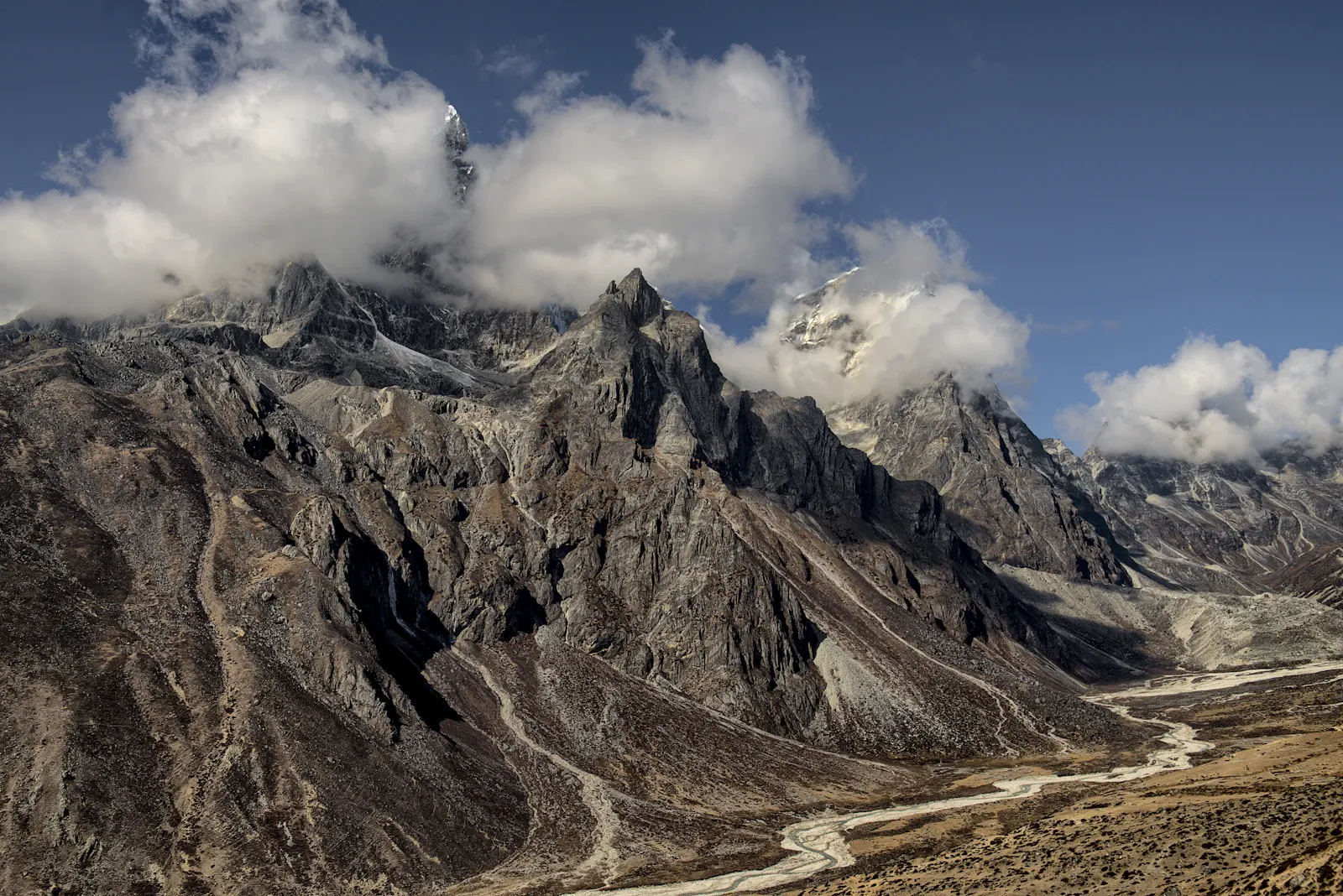
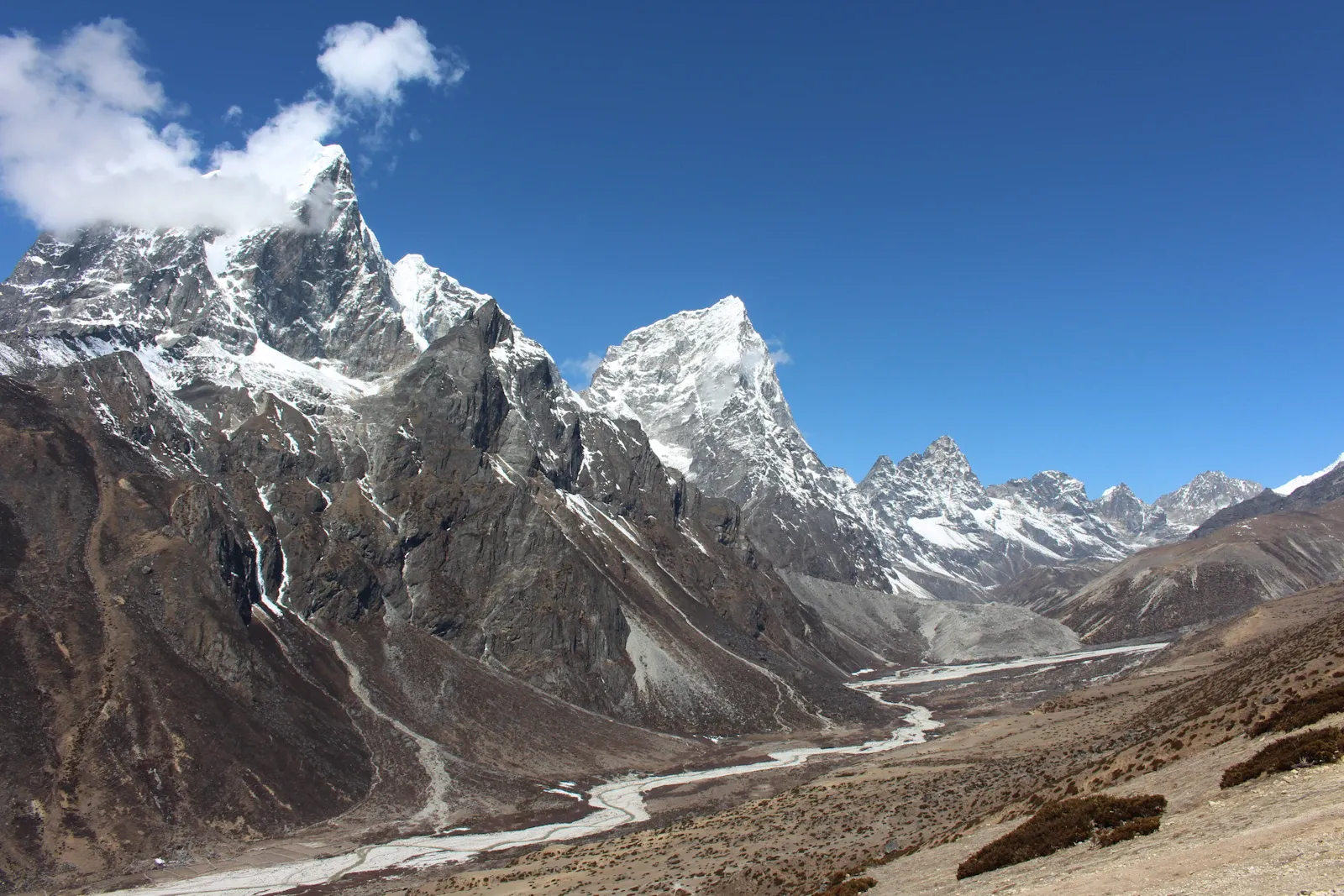
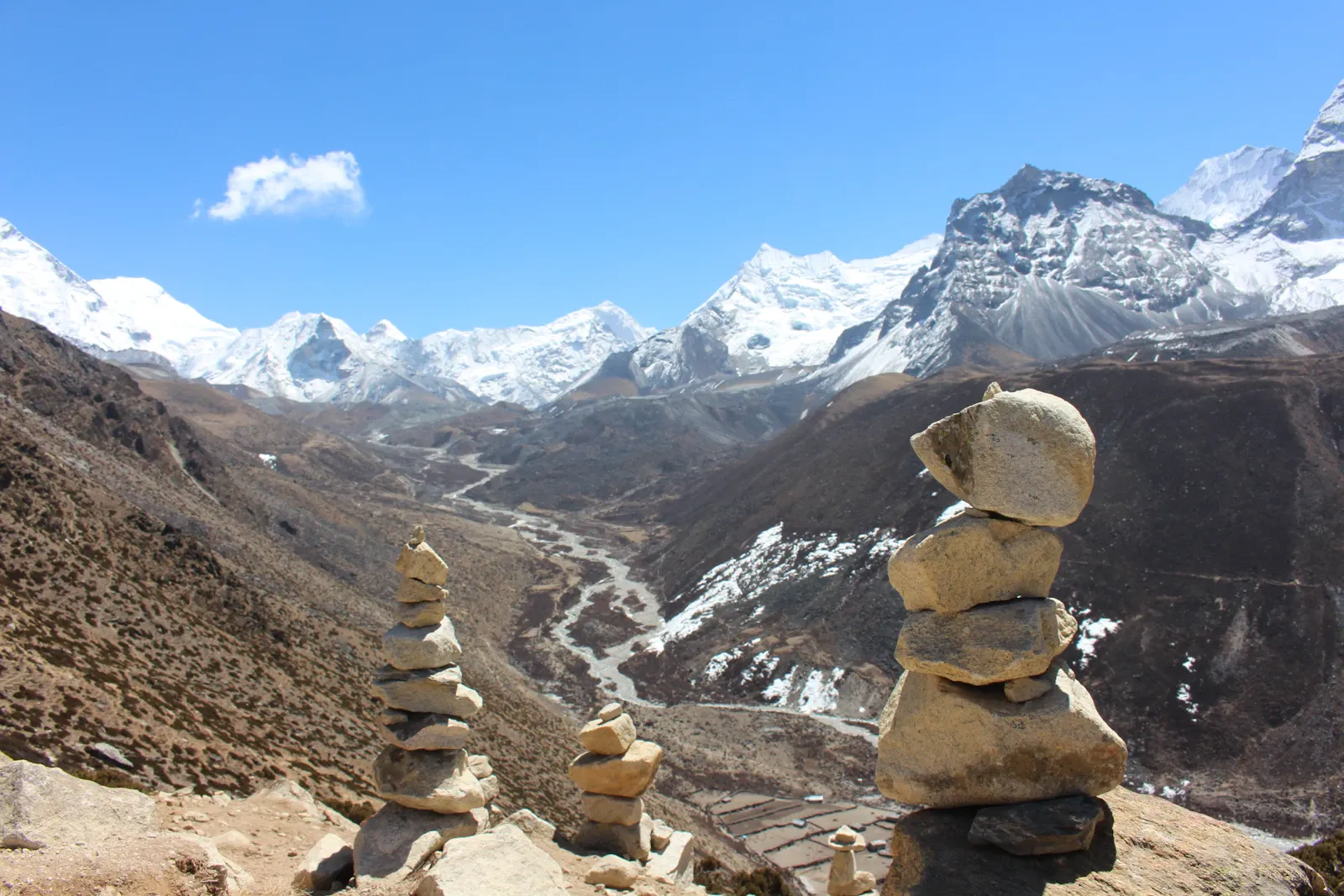
The Khumbu region is a quiet place where every corner brings you closer to the mountains, local villages, monasteries and the real beauty of the Himalayas and the people who live there. This journey takes you through mountains, small villages, fresh air, glaciers and the landscapes of the famous Everest region.
Along the way, you'll cross Cho La Pass at around 5,420 m, visit Everest Base Camp, watch the sunrise from Kala Patthar and climb Lobuche Peak, which stands 6,119 m tall.
The journey is not only about reaching the destination. It takes you through long, tiring walks, changing weather and several difficult climbing sections. Some days will be challenging, while others will remind you why you started. This journey is more than a trek: it's about villages, people, communities, monasteries, culture, tea shops, food, light and the moments you get to experience along the way.
What makes the Cho La Pass with Lobuche Peak trek special?
The Cho La Pass with Lobuche Peak journey combines a high-altitude trekking route with a 6,000-metre peak climb.
The Gokyo and Everest regions, connected by Cho La Pass, offer some of the region's most challenging trekking, with steep paths, changing weather and icy or glaciated terrain.
After crossing Cho La Pass, you head to Dzongla and Lobuche before going deeper into the Everest region. You'll reach Everest Base Camp and Kala Patthar before preparing for the Lobuche climb.
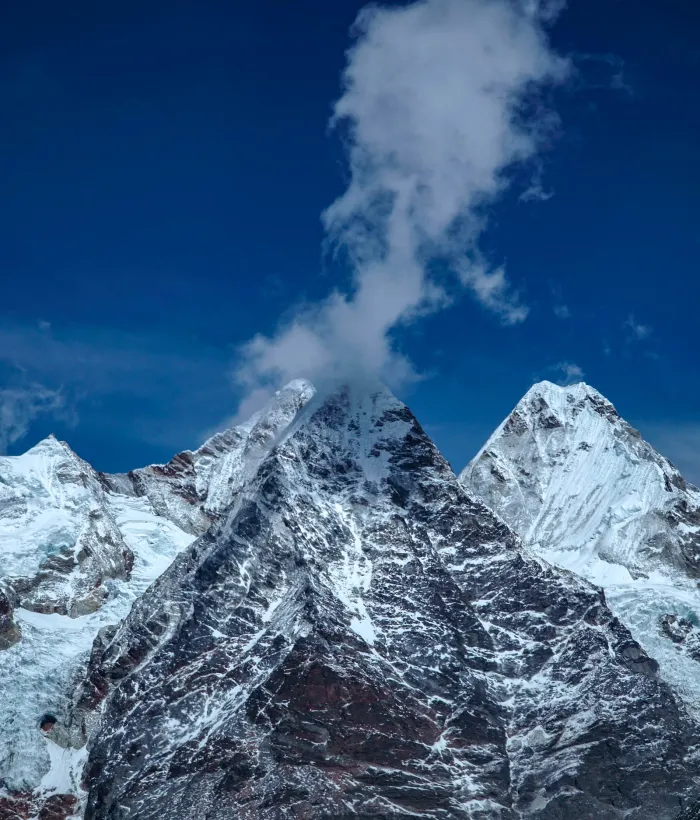
Lobuche East rises to 6,119 m and adds a great climbing experience to the journey. The climb requires proper preparation, climbing technique and equipment, technical guidance, and solid knowledge of the area, weather and mountain conditions.
This trek is for trekkers who want something different and are physically and mentally prepared.
The Journey Through the Khumbu Region
The journey usually begins with a flight from Kathmandu to Lukla, followed by a trek through Phakding and Namche Bazaar. As you gain altitude, the surroundings change.
You pass through Sherpa villages and Buddhist communities, where you'll learn about prayer flags, mani walls, prayer wheels, monasteries and traditional houses along the way.
Tengboche and the surrounding villages offer more than mountain views. If you visit the monasteries, you'll learn about prayer ceremonies, culture and customs. Follow your guide's lead, and ask before taking photos, as many monasteries prohibit cameras inside.
The people, guides, tea shop owners and other community members contribute a lot throughout the journey, so treating them well matters just as much.
Who Should Choose This Adventure?
This adventure is best for trekkers who are ready for long walking days and able to cope with changing altitude.
You don't need to be a professional, but you should know this trek is different from others. At 6,119 m, Lobuche Peak demands physical preparation, proper equipment, guidance and mental readiness.
Previous trekking experience is helpful. Your guide will help you understand the instructions for climbing at higher altitudes and get you familiar with the basic equipment and techniques.
This is a very adventurous trek, but that alone shouldn't be the reason you choose it. Choose it if you are truly ready for real mountain therapy.
Cho La Pass: What to Expect
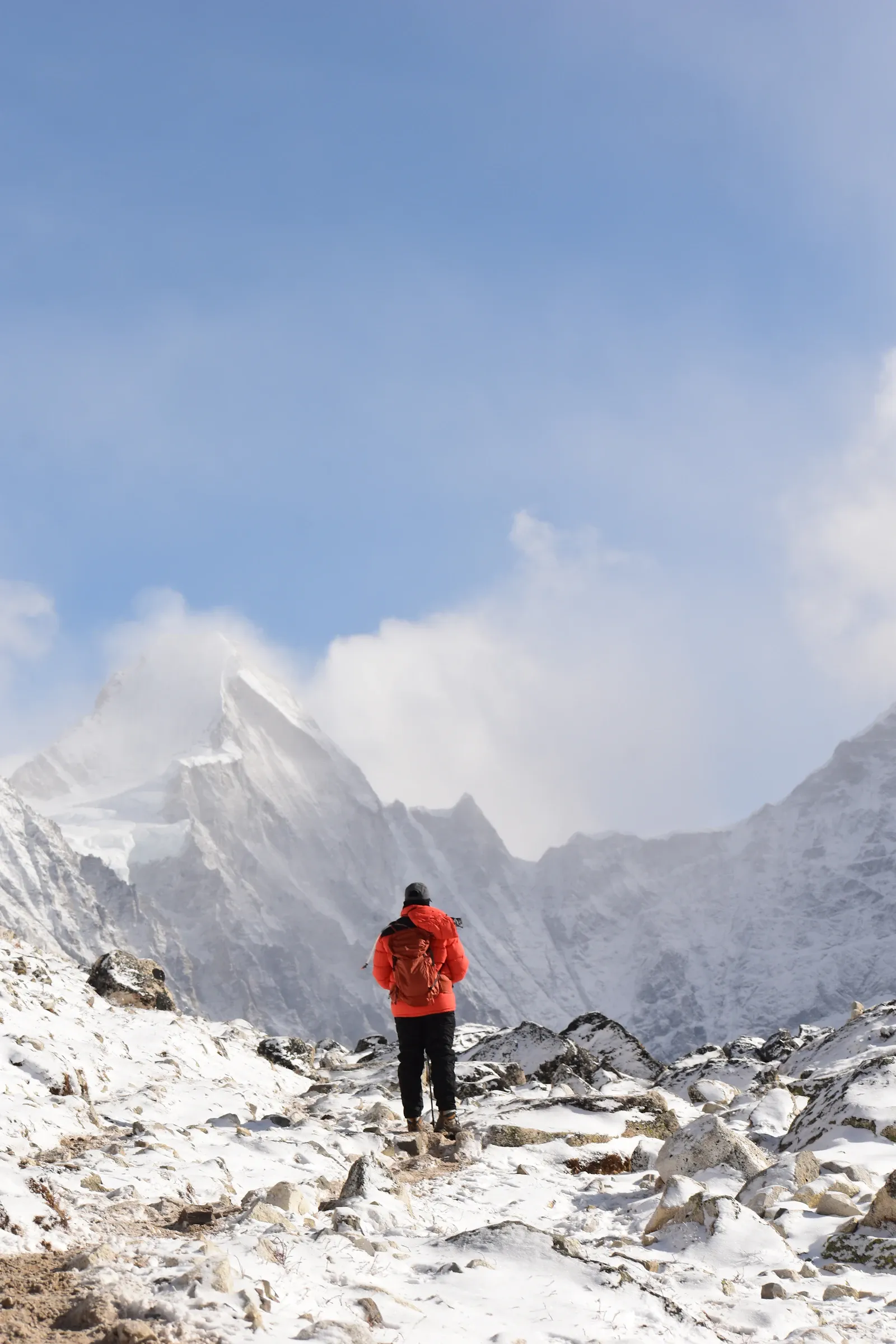
Cho La Pass is one of the trek's hardest climbs. As you climb up from the Gokyo side, the trail becomes steeper and the landscape changes.
The pass sits at around 5,420 m, so the altitude makes the climb harder than the distance itself.
Walk slowly; there's no need to rush, since you won't get a medal for arriving first. Walk at a pace you are comfortable with, follow your guide team's instructions, drink enough water, and be prepared for changing weather and the climb ahead.
When you reach the pass, the mountains, the high-altitude light and the landscape make the climb feel rewarding. From there, you descend toward Dzongla.
Everest Base Camp and Kala Patthar
After crossing Cho La and joining the main Everest route, the trek continues toward Lobuche and Gorak Shep before heading to Everest Base Camp.
Reaching Everest Base Camp, walking beside the Khumbu Glacier, will be an unforgettable moment of the trek. It isn't easy, though, as this famous destination sits at a very high altitude, so keep a comfortable pace and rest properly throughout.
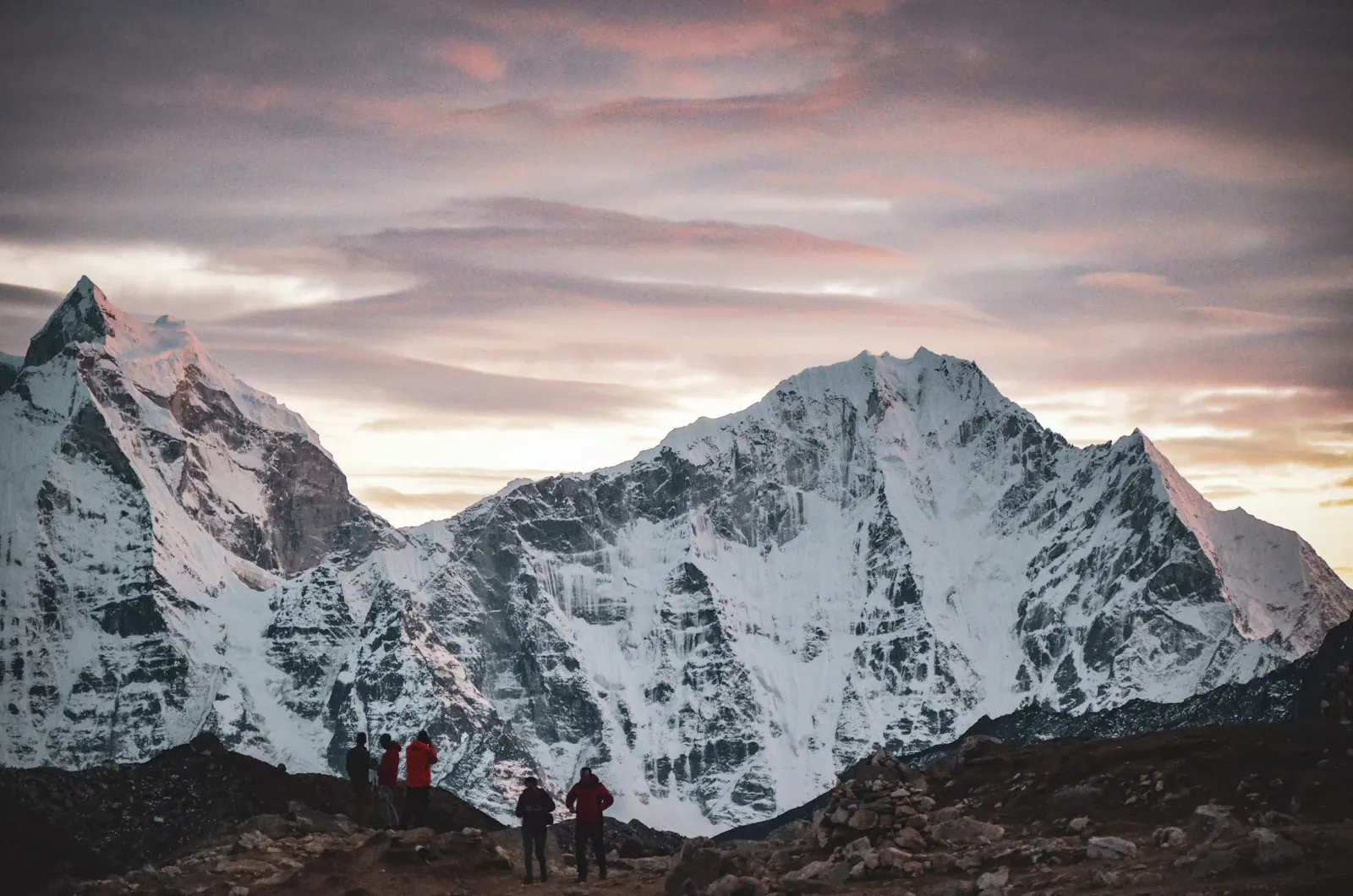
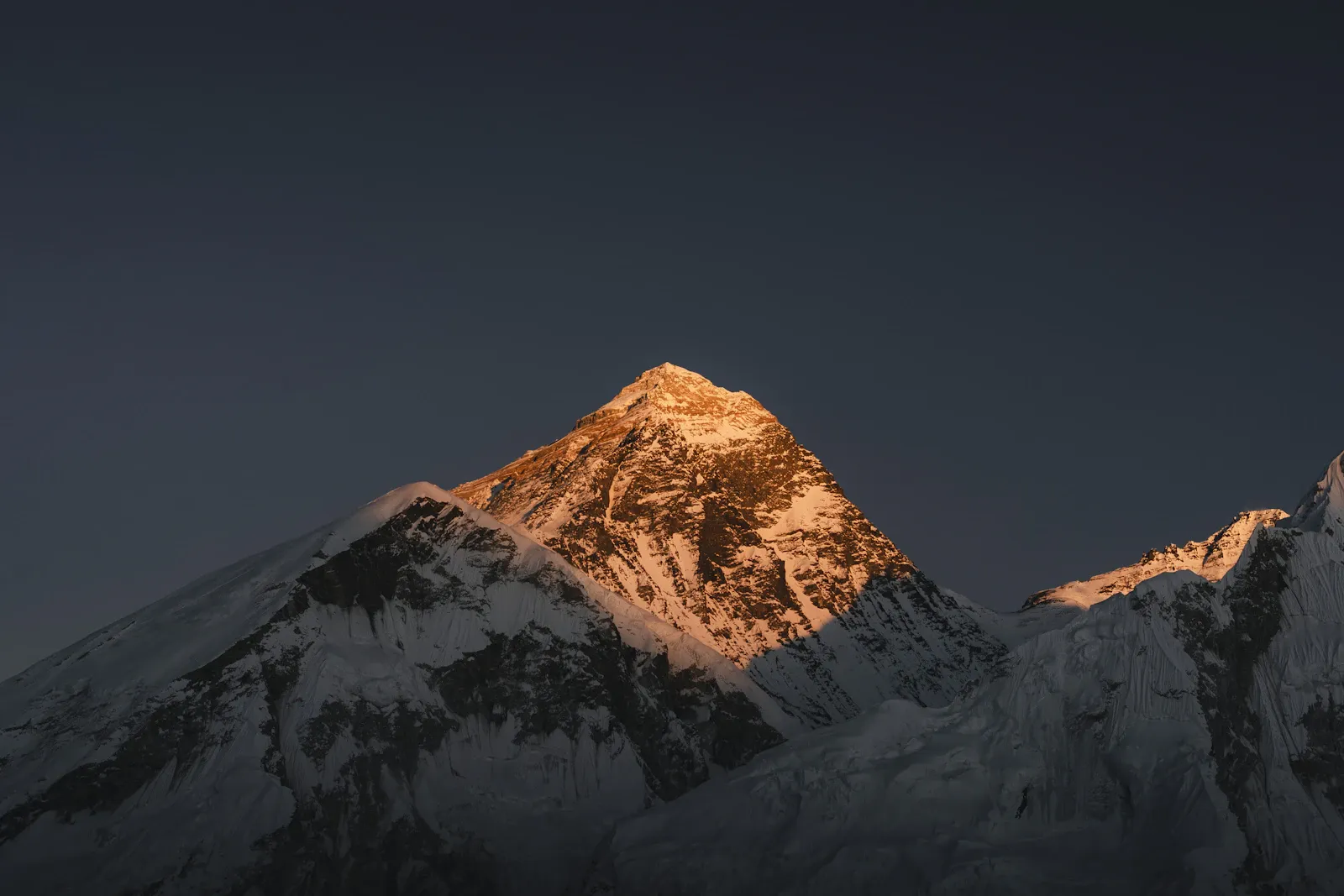
Kala Patthar is another highlight, especially at sunrise. The early-morning climb can be tiring, but the view of Everest, Nuptse, Pumori and the surrounding mountains makes it worth the effort.
After Kala Patthar, you return to Lobuche to prepare for the climb.
Preparing for Lobuche Peak
The Lobuche Peak climb differs from other climbs, so preparation is essential before the climbing section. Before the summit attempt, you check your equipment, review the route and weather conditions, and learn the basic use of climbing equipment under your guide's instruction.
Climbing equipment includes crampons, a harness, ropes and an ice axe, depending on the route and weather conditions, so proper training should begin several months before the summit attempt.
Physical and mental preparation are equally important. Summit day can require many hours of climbing at high altitude, where the air is thin and the weather can change quickly. Keeping a steady pace, staying hydrated, eating properly and getting enough rest are all important for the summit attempt.
Reaching the summit is never guaranteed. Weather, snow, route safety, other conditions and the guide's decision all play a role in the final climb.
The Lobuche Peak Climbing Experience
After the trekking section, the journey changes from high-altitude trekking to peak climbing. From Lobuche, you head to Lobuche East Base Camp, where you begin preparing for the summit attempt with your climbing team. The route becomes slippery, steep and rougher as you head to High Camp, and the thin air makes the journey challenging.
Summit day usually begins early so that you can reach the summit in the available daylight and conditions. The climb requires significant effort at high altitude and may involve snow and ice, depending on the season and route conditions. With your climbing guide's support, you'll use the necessary equipment and follow the right climbing techniques. If the weather allows, you'll reach the 6,119 m summit and enjoy views of the surrounding peaks before descending.
Begin Your Cho La and Lobuche Peak Adventure
If you want to experience the Everest region beyond the regular trekking route, the Cho La Pass with Lobuche Peak journey can be a rewarding choice. From the calm trails of the Khumbu to the demanding Cho La Pass, from Everest Base Camp to Kala Patthar and finally Lobuche Peak, every path has its own beauty.
It's a challenging journey, but with proper preparation and guidance, it will be a memorable one.
Highlights
- Cross Cho La Pass at 5,420 m
- Explore the Gokyo and Everest regions
- Visit Everest Base Camp
- Watch the sunrise from Kala Patthar
- Experience Sherpa culture
- Reach Lobuche East Base Camp
- Learn basic climbing techniques
- Attempt a high-altitude climb above 6,000 m on Lobuche East (6,119 m)
- Explore glaciers, suspension bridges, high-altitude terrain and beautiful mountain valleys
- Experience the wider, quieter side of the Khumbu region
Altitude profile
Top: Lobuche East summit, 6,119 mHover or tap a day for detailsScroll sideways to see every day
Itinerary at a glance
- Day 1Arrival in Kathmandu
- Day 2Kathmandu to Lukla, then Trek to Phakding
- Day 3Phakding to Namche Bazaar
- Day 4Acclimatization in Namche Bazaar
- Day 5Namche Bazaar to Tengboche
- Day 6Tengboche to Dingboche
- Day 7Acclimatization Day at Dingboche
- Day 8Dingboche to Lobuche
- Day 9Lobuche to Gorak Shep and Everest Base Camp
- Day 10Gorak Shep to Kala Patthar and Back to Lobuche
- Day 11Lobuche to Lobuche East Base Camp
- Day 12Acclimatization and Climbing Preparation
- Day 13Lobuche East Base Camp to High Camp
- Day 14Lobuche East Summit and Descent
- Day 15Contingency or Weather Day
- Day 16Descend Toward Namche Bazaar
- Day 17Namche Bazaar to Lukla
- Day 18Lukla to Kathmandu
Day-by-day itinerary
Altitudes are the highest point reached that day. Walking times are typical and exclude breaks; your guide adjusts the pace to the group.
After arriving in Kathmandu (approx. 1,400 m), settle into your hotel, rest and prepare for your journey. This is the best time to recheck your trekking equipment and the other items you need. Finish any last-minute preparations and attend the trip briefing.
Fly from Kathmandu to Lukla (approx. 2,840 m). Flights can be delayed by weather, so patience is important.
After landing, the trek begins to Phakding (approx. 2,160 m). The trail passes through small villages, green hills and forests, giving you a gentle start to the trek.
Following the Dudh Koshi River, you cross suspension bridges and trek through forest on the way to Namche Bazaar (approx. 3,440 m). The final climb can be demanding, as the trail is steep, but once you reach the town you'll have time to settle in.
The day is for acclimatization: explore the nearby villages, local tea houses and viewpoints, or simply rest and enjoy the surroundings. Stay active, drink enough water and prepare yourself for the higher altitudes.
Before reaching Tengboche (approx. 3,860 m), the trail takes you across mountain slopes and through forest.
Tengboche is famous for its monastery and mountain views. If you visit, please follow local customs and any guidelines about photography.
The scenery becomes clearer and more alpine as you make your way to Dingboche (approx. 4,410 m). The altitude becomes noticeable, so walk slowly, take breaks when needed and keep drinking water.
Another day to adapt before heading higher. If you like, take a short hike to gain some extra altitude, such as the Nangkartshang viewpoint or peak (around 5,000 m or higher, depending on the weather and route), and return to Dingboche to sleep. You can also simply rest.
The trek continues through the upper Khumbu to Lobuche (approx. 4,940 m). The trail gets rougher as you climb and the air thinner, making the trek more challenging, so don't rush.
From Lobuche, continue to Gorak Shep (approx. 5,164 m) before heading to Everest Base Camp (approx. 5,364 m). Along the trail, you'll see the Khumbu Glacier and dramatic views of the surrounding mountains.
Reaching Base Camp is an exciting moment, but remember you are already at high altitude. Walk slowly, drink enough water and give your body time to adapt.
The climb to Kala Patthar (approx. 5,550 m) is challenging, so start early to see the best views of Everest and the surrounding mountains.
Early mornings are cold, so wear warm, comfortable clothes. At the top, you'll have time to enjoy the view before heading back down to Lobuche (approx. 4,940 m) to prepare for the next stage.
From today, the journey shifts from trekking to climbing. The route to Lobuche East Base Camp (approx. 5,110 m) is challenging. After you arrive, take time to rest, organize your gear and prepare for the days ahead.
Rest properly and get ready for the climb. Your guide teaches you the basic techniques and the equipment needed to reach the summit, including practice with a harness, crampons, ropes and other climbing gear, depending on the route and conditions. Check your equipment, ask questions if anything is unclear, and get enough rest.
The route becomes steeper as you move up to High Camp (approx. 5,600 m, depending on conditions). The day is shorter than summit day, but the weather can make it challenging. Once you reach High Camp, rest – the next day is summit day.
Start as early as possible today, as the route gets steeper the higher you climb. Be patient, move carefully and follow your guide's instructions.
As you climb, it gets colder and the air thinner. Reaching the summit is not guaranteed: the climb depends on the weather and on each climber's physical condition, and safety always comes first. If conditions allow, you reach the 6,119 m summit, enjoy the view for a while, and then return to the lower camp to rest.
Mountain weather is unpredictable, so a contingency day is useful. If the summit attempt couldn't go ahead the previous day, this day gives another opportunity, depending on the guide's advice and the weather. If the summit was reached, you can use the day to rest, recover and continue the descent.
After the climb, the journey heads back to the lower Khumbu. The lower altitude makes walking feel easier, though your body will be tired. The return is enjoyable, as the villages and trail feel familiar.
The final trekking day takes you from Namche Bazaar to Lukla (approx. 2,840 m). You pass familiar forests and villages and cross suspension bridges along the Dudh Koshi Valley.
After arriving in Lukla, rest and look back on your journey through the Khumbu, from Cho La Pass and Everest Base Camp to the summit of Lobuche Peak.
After breakfast, fly from Lukla to Kathmandu. Weather can affect flight schedules, so some flexibility is important. Once you reach Kathmandu, rest and reflect on the journey, the experiences and the challenges along the way.
Customize this trip
Every itinerary on this page can be changed. Tell us what you would like and a trip planner will send back a tailored day-by-day plan and price, usually within a few hours.
- Add rest or acclimatisation days
- Upgrade hotels and lodges
- Combine it with another trek, tour or safari
- Travel privately on your own dates
Dates & prices
Departure dates and prices are confirmed on request.
Can't see your date?
Pick any start date in the booking box or send us your plans and we'll confirm availability within a few hours.
Useful trip information
- Long, tiring walks
- Several difficult climbs
- Rapid changes in the weather
- Cold mornings and nights at high altitude
- Limited charging, Wi-Fi and network access
- Calm chaos
- Basic accommodation with limited facilities
- Flight delays due to weather
The overall experience can be unpredictable because of weather changes and flight delays, so it's important to be physically and mentally prepared.
Like other mountain treks, this trip is best in spring (March–May) and autumn (late September–November), when the weather is favourable and you can see the beauty of the Everest region and its mountain scenery.
Mountain weather is never completely predictable. Conditions can change at any time and may affect walking hours, the pass crossing, the climb, flights and other schedules. For Lobuche Peak, plans always depend on the weather.
Altitude is one of the most challenging parts of this journey. The route takes you above 5,000 m and eventually to the 6,119 m summit of Lobuche East.
The itinerary includes acclimatization days, but everyone responds differently. Walking slowly, staying hydrated, eating properly, wearing warm clothes and getting enough rest help your body adjust to the increasing altitude.
Acute Mountain Sickness (AMS) is one of the most important things to understand before the climb. Symptoms include headache, dizziness, nausea, unusual tiredness and difficulty sleeping. If you notice any of them, don't ignore them: tell your guides and follow their advice.
Because the weather can change quickly in the mountains, trekking and flight schedules can be affected. Make sure your travel insurance covers high-altitude trekking.
The Cho La Pass with Lobuche Peak trek is one of the most demanding treks in the Everest region. Before you start, assess your fitness level and prepare accordingly.
Focus on long-distance walking, ascents and descents, carrying a daypack comfortably and building overall endurance. For the trek and climb, bring the necessary equipment, learn the basic techniques and wear comfortable mountain boots. Stay hydrated, rest enough and walk at your own pace throughout.
The overall cost depends on the trekking agency, services, accommodation, food, climbing equipment, permits, insurance, flights and personal expenses. Ask for a cost breakdown before booking so you understand what the package includes and what must be paid separately.
- Don't rush to reach the destination
- Drink enough water throughout the trek
- Give your body time to adapt to the altitude
- Know the signs of AMS before the trek
- Respect local people and their traditions
- Expect basic teahouse accommodation and food
- Expect limited network access and charging points
- Be ready for rapid weather changes and flight delays
- Have travel insurance
- Follow your guide's instructions
- Don't litter
- Don't disturb wildlife
- Carry your daily essentials, including clothes and footwear
- Carry basic medicines
- Be mindful of the environment
- Know the emergency contacts in case you need them
Travel insurance is strongly recommended for this journey. Because the trek reaches high altitude, your policy should cover high-altitude trekking, emergencies and helicopter evacuation where applicable.
The Khumbu region is not only a beautiful trekking destination but also a peaceful home to communities, monasteries, culture and wildlife.
Carry a refillable water bottle, minimize single-use plastic, dispose of waste properly and don't pollute the environment. Support local tea shops, guides, porters and other local businesses to help the communities along the way.
Avoid unsafe activities such as flying drones or disturbing wildlife in restricted areas, which can affect both trekkers and locals. A responsible trekker cares for themselves and their surroundings.
There is so much to capture, not just Everest. Early-morning mountains, sunrise, prayer flags, small villages, lakes, landscapes, teahouses, the Sherpa community, bridges, weather and everyday moments all make this trek special.
Keeping batteries warm helps in cold conditions. Don't take photos where photography is restricted, and always ask permission before photographing local people or cultural ceremonies, respecting their decision.
Traveller reviews
Read more on Tripadvisor5.00 reviews
Nov 2025
Paced perfectly for the altitude
Our guide checked our oxygen levels every evening and never once rushed us. Standing at base camp after nine days of walking was emotional, and the team made it feel effortless to organise.
Oct 2025
Thorong La at sunrise
We left High Camp at 4 am and topped out on the pass as the sun hit the snow. The teahouses were well chosen, food was hot, and our porter Binod became a friend.
Apr 2026
Small group, big views
Mardi Himal was the perfect short trek for us. Rhododendrons in full bloom, Machhapuchhre right in front of us at high camp, and a guide who knew every village we passed.
Mar 2026
Langtang exceeded every expectation
Close to Kathmandu but it feels remote. Kyanjin Gompa and the climb to Tserko Ri were highlights. Communication before the trip was quick and honest about what to expect.
You might also like
More trips in the Peak Climbing and similar adventures.
Ready for the Cho La Pass with Lobuche Peak-Cross High Mountains, Reach Beyond Your Limits?
Send us your preferred dates. We'll confirm availability, flights and lodges, and answer any question before you pay a deposit.
from US$0per personBook now