

Peak Climbing
- Duration19 days
- Max. altitudeApproximately 6,461–6,476 m, depending on the summit point
- GradeStrenuous
- Start / endKathmandu to Kathmandu
- Group size
- Best seasonSpring and autumn
- AccommodationHotel in Kathmandu, tea houses or lodges, and camping
- MealsDal bhat, noodles, soups and seasonal local dishes
- ActivityTrekking and climbing
- TransportDomestic flights and trekking
Overview
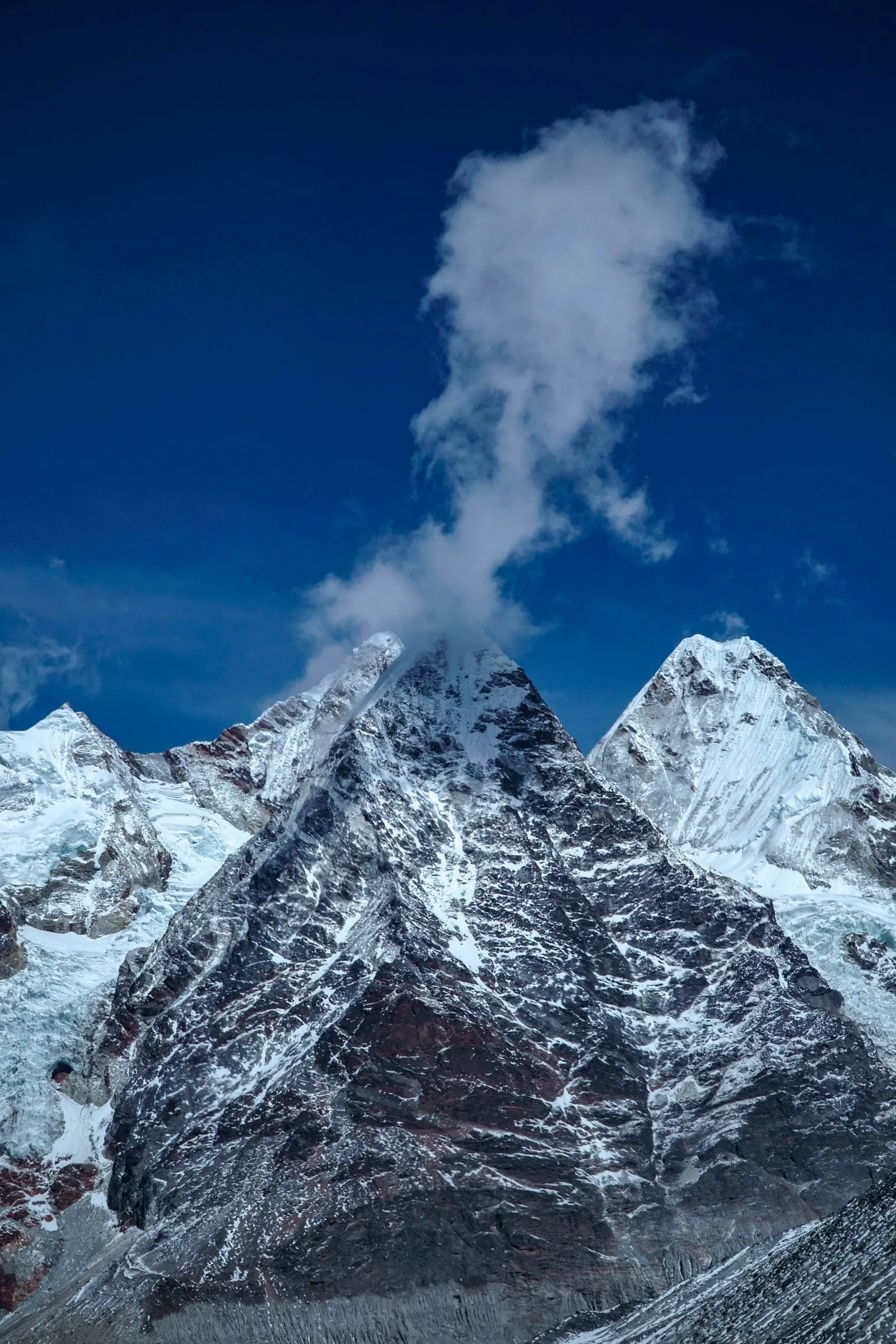
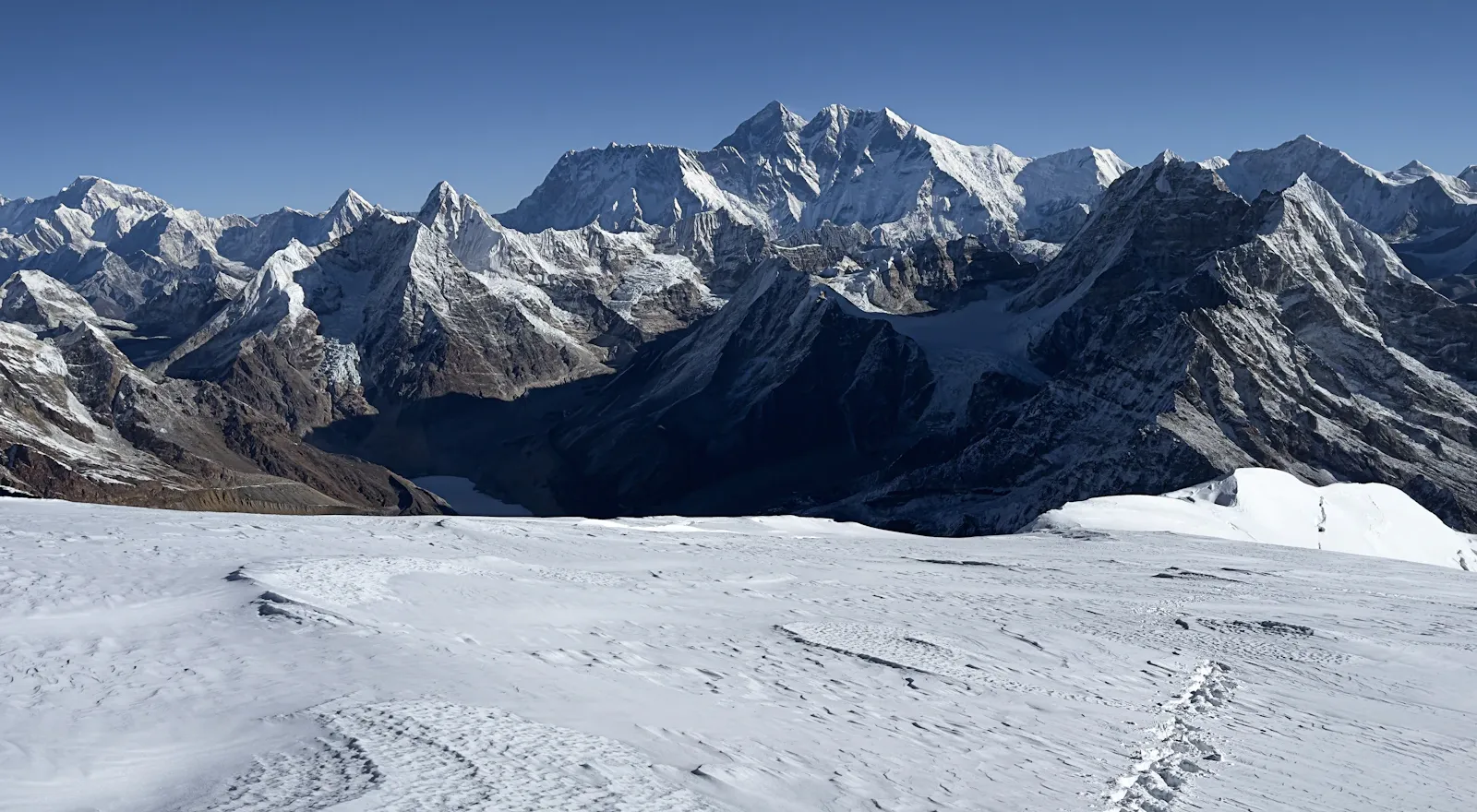
Mera Peak is one of Nepal's 27 NMA climbing peaks in the Khumbu/Solukhumbu region. Unlike Island Peak and Lobuche Peak, Mera Peak does not follow the Everest Base Camp route. Instead, the route follows the remote Hinku Valley, continuing to Khare, Mera Base Camp and High Camp. Mera Peak is reported to be approximately 6,461–6,476 m, depending on the summit point.
Mera Peak Climbing is a high-altitude climb that takes you from the lower valleys of the Khumbu region into the beautiful, remote Hinku Valley of Nepal. Mera Peak is one of the most important and famous peaks for climbers preparing for their first Himalayan summit. This journey includes several days of trekking with proper acclimatization, climbing preparation and the summit attempt.
From Lukla, the route continues to Paiya, Pangkongma, Ningsow, Chhatra Khola and Kothe before climbing toward Thagnak and Khare. As the route gains altitude, the environment changes gradually from green forests to rough terrain.
The trail requires good physical fitness. Climbers must adjust to the weather and increasing altitude, know how to use basic mountain equipment, and follow the guiding team's instructions. The lower part of the journey offers changing landscapes before moving to the colder, more exposed section around Mera Peak.
Trekking Through the Remote Hinku Valley
After the flight to Lukla, the route takes you to Paiya, then continues toward Pangkongma, Ningsow, Chhatra Khola and Kothe. The first few days let climbers adapt to the terrain and walking routine before entering the higher-altitude sections.
The lower route crosses forests, hills, river valleys and small mountain communities. Depending on the weather and season, the route may include green forest, rhododendrons, muddy terrain and exposed hills. The trek won't be easy, as it includes several days of repeated ascents and descents.
As the route continues to Kothe and Thagnak, the air becomes thinner and the mountain surroundings become more noticeable. The route then reaches Khare, a necessary stop for acclimatization and climbing preparation. The Hinku Valley offers a different perspective on mountain settlements compared with the crowded area around Everest Base Camp.
A Gradual Journey from Trekking to Climbing
Mera Peak Climbing starts as a trekking journey but gradually becomes a climbing journey. The first part focuses on walking, gaining altitude at a comfortable, manageable pace and adapting to the mountain environment. As you climb higher, conditions become more challenging, and climbers must prepare for cold temperatures, snow and glacier travel.
The route becomes more demanding around Khare and the climbing camps above it. Climbers may need to use crampons, an ice axe, a climbing harness, a helmet and other technical mountaineering equipment, depending on route conditions.
Previous climbing experience can help, but the exact requirements depend on the route conditions and the support offered. Anyone climbing should understand that Mera Peak is not an ordinary trek.
Acclimatization Before the Mera Peak Summit
Acclimatization is one of the most important parts of the Mera Peak itinerary. As the altitude increases, the amount of available oxygen decreases, making the climb more difficult. Climbers may find that they walk more slowly, take frequent breaks, or notice changes in appetite and sleep.
The itinerary includes an acclimatization day at Thagnak and another preparation day at Khare. These stops give you time to rest, see how your body is responding to the altitude, check equipment and prepare for the higher section of the expedition.
Even after acclimatization, climbers may still get symptoms of AMS, including headaches, nausea, dizziness, unusual tiredness and loss of appetite. These signs should not be taken lightly, as they can get worse. Climbers should tell their guide about any symptoms rather than forcing themselves to continue.
A responsible climbing plan lets the team adapt to the altitude, with a comfortable pace and an itinerary adjusted to individual health, weather and route conditions. Remember: reaching the summit is not everyone's cup of tea.
The Mera Peak Summit Day
Summit day is the most challenging part of the journey. Climbers leave High Camp early in the morning, which allows time to ascend and descend within a suitable weather window. The departure time depends on the route, the weather conditions and the instructions of the climbing team.
The ascent includes glacier travel and a demanding climb at high altitude. Climbers move on fixed ropes and harnesses under the supervision of guides. Progress can be slow, as every step demands effort at an altitude above 6,000 m.
The summit may include steep snow, where fixed ropes and an ascender can be required depending on conditions. Climbers must follow the guidance and keep enough pace for the return. Reaching the summit is important, but returning safely to the lower camp is equally important.
Who is Mera Peak Climbing suitable for?
Mera Peak Climbing suits trekkers who are physically prepared and excited to experience a Himalayan summit above 6,000 m. It can be an introduction to high-altitude climbing and a chance to learn the necessary mountaineering skills.
The climb is not suitable for everyone, even though it is described as a beginner-friendly trekking peak. Climbers should be prepared for several long walking days, cold nights, freezing temperatures, basic accommodation and a demanding summit attempt. Previous experience can help, but the experience required should be confirmed with the climbing operator.
Training should include cardiovascular exercise, uphill walking and practice carrying a loaded daypack. Climbers should know their fitness and ability to tolerate altitude, and take medical advice before booking.
Route
Kathmandu – Lukla – Paiya – Pangkongma – Ningsow – Chhatra Khola – Kothe – Thagnak – Khare – Mera Base Camp – Mera High Camp – Mera Peak Summit – Khare – Kothe – Thuli Kharka – Lukla – Kathmandu
Highlights
- Trek through the less crowded Hinku Valley
- Reach Mera Base Camp and Mera High Camp
- An attempt on Mera Peak (approx. 6,476 m)
- Experience high-altitude climbing and glacier travel
- Learn basic climbing and trekking techniques before the summit attempt
- Walk through forests, mountains and alpine routes
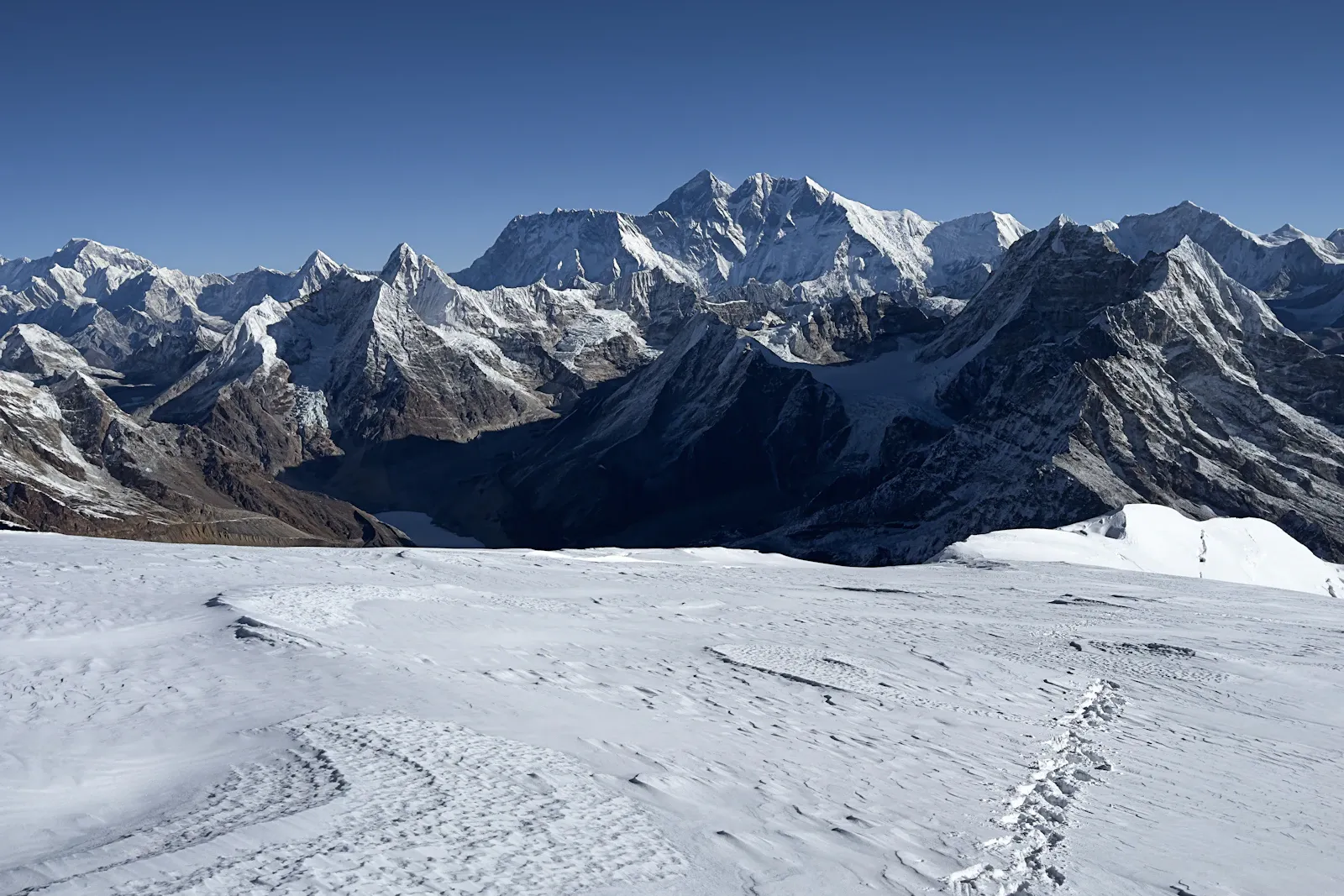
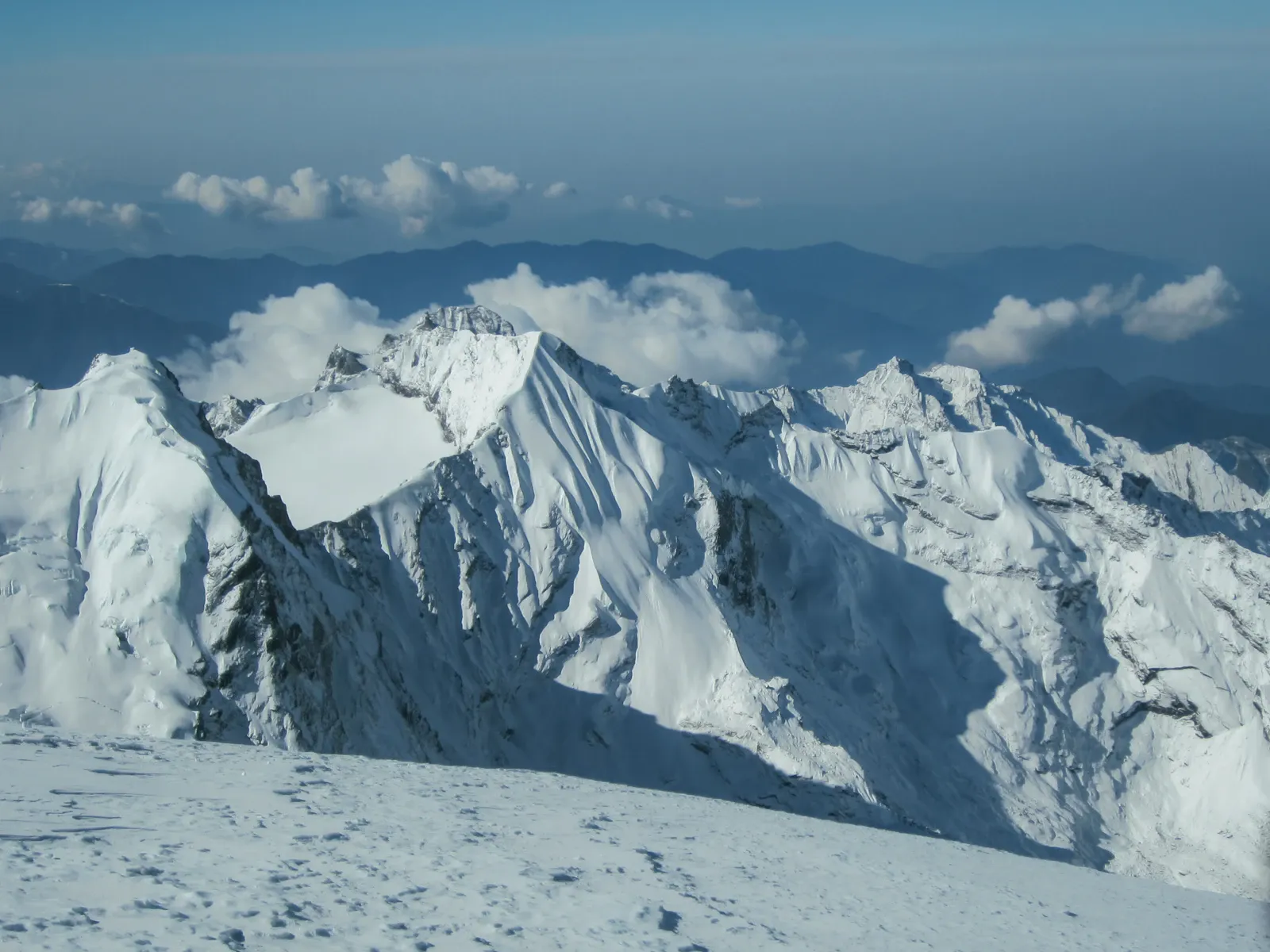
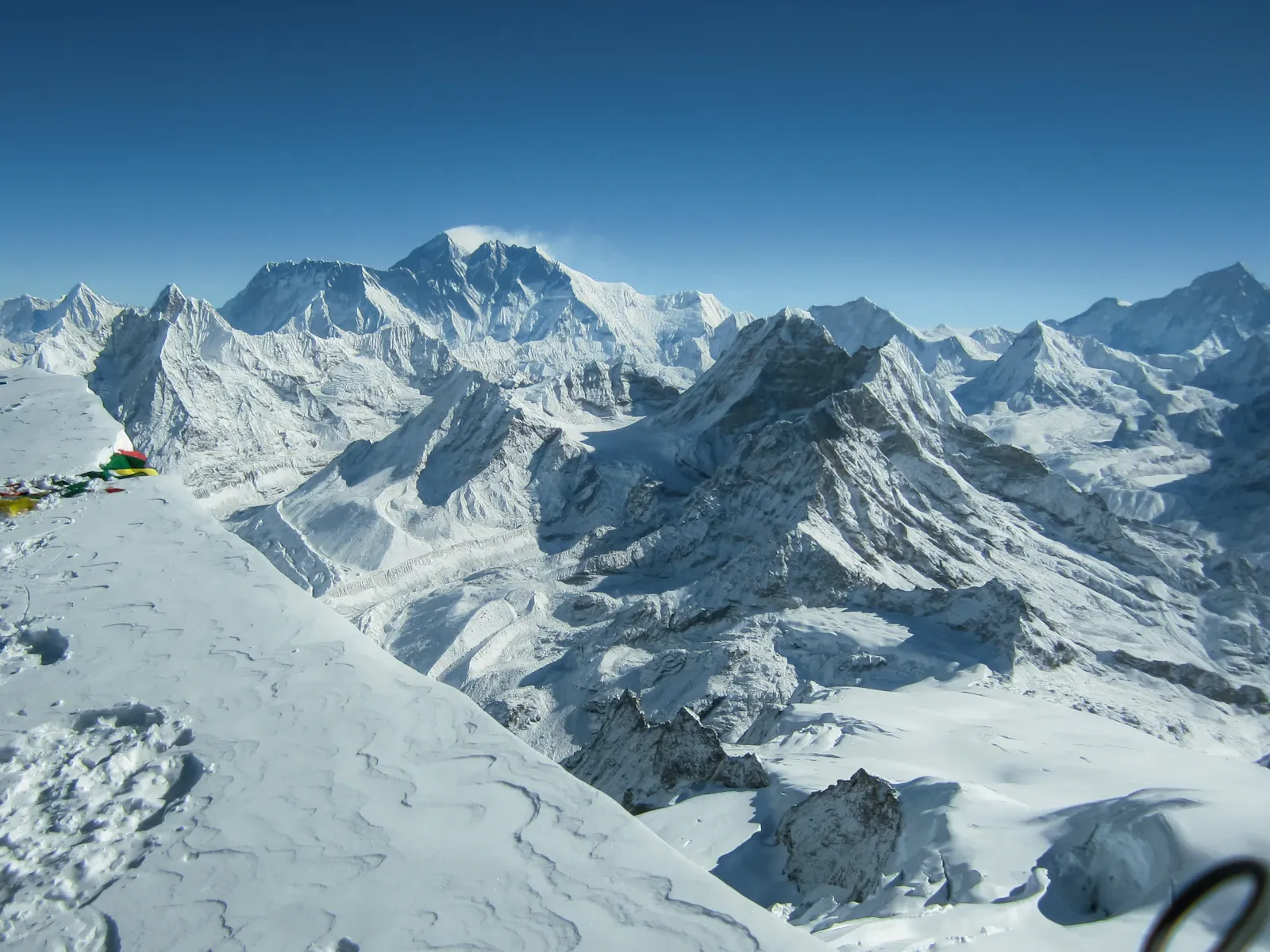
- Views of several major Himalayan peaks from the Mera region
- Pass through Sherpa communities and traditional mountain settlements
- Follow a route that changes from trekking to climbing terrain
Altitude profile
Top: Approximately 6,461–6,476 m, depending on the summit pointHover or tap a day for detailsScroll sideways to see every day
Itinerary at a glance
- Day 1Arrive in Kathmandu
- Day 2Trip Preparation and Climbing Briefing in Kathmandu
- Day 3Fly from Kathmandu to Lukla and Trek to Paiya
- Day 4Paiya to Pangkongma
- Day 5Pangkongma to Ningsow
- Day 6Ningsow to Chhatra Khola
- Day 7Chhatra Khola to Kothe
- Day 8Kothe to Thagnak
- Day 9Acclimatization at Thagnak
- Day 10Thagnak to Khare
- Day 11Acclimatization and Climbing Preparation at Khare
- Day 12Khare to Mera Base Camp
- Day 13Mera Base Camp to Mera High Camp
- Day 14Summit Mera Peak and Descend to Khare
- Day 15Khare to Kothe
- Day 16Kothe to Thuli Kharka
- Day 17Thuli Kharka to Lukla
- Day 18Fly from Lukla to Kathmandu
- Day 19Final Departure / Contingency Day
Day-by-day itinerary
Altitudes are the highest point reached that day. Walking times are typical and exclude breaks; your guide adjusts the pace to the group.
Once you reach Kathmandu, settle into your hotel. This day is for recovering from your journey and getting ready for the Mera Peak climb. If you have time, you can also meet the climbing team and learn about the itinerary.
Today is for final preparation before starting the trek. Your guide team will go through the equipment details, review the route and explain the conditions of the whole trek and peak attempt. If any permits or related arrangements remain, they can also be completed before departure.
The journey begins with a flight from Kathmandu to Lukla (approx. 2,840 m). With the trekking and guide team, you leave Lukla and head toward Paiya (approx. 2,730 m).
This route takes you through forests and small, beautiful village communities before reaching Paiya, giving you your first experience of walking in the Khumbu region.
The trek continues through forests and mountain landscapes toward Pangkongma. This route includes several uphill climbs and downhill sections, making the trek physically challenging.
Pangkongma is a beautiful community along the way to the Hinku Valley.
Today you walk through forests before continuing toward Ningsow. The route becomes more remote as you move away from the crowded Everest trekking areas.
The trail continues through the Hinku Valley, crossing forest areas and mountain paths. This route takes you to Chhatra Khola, where you spend the night before moving on to Kothe.
Today you continue deeper into the Hinku Valley. As you climb higher, the surroundings start to change and the mountains become more noticeable.
Kothe is an important stop before climbing to Thagnak and the Mera climbing area.
As the trail follows the Hinku Valley to Thagnak, the landscape becomes rockier, with more visible mountains and fewer trees. Walking at a comfortable pace and staying hydrated become important.
This day gives you time to rest, recover from the previous days and adapt to the increasing altitude before heading toward Khare.
You can go on a short hike if the weather is good and your guide allows it, or use the day to recheck your equipment and prepare for the higher sections.
Today you climb to Khare. As you continue toward Mera, you will start noticing the change in weather.
Khare is an important place to acclimatize and prepare before heading off to the glacier and higher points.
The day is used for acclimatization and climbing preparation. The climbing team gives short instructions on using crampons, a harness, an ice axe, a rope and other necessary equipment.
This is an important step before moving on to Mera Base Camp and higher points.
You leave Khare and enter rocky, high-altitude terrain. The path takes you toward the Mera Glacier and Base Camp.
As you climb, the environment gets colder and more exposed, so walk at a steady pace.
The team continues to Mera High Camp (approx. 5,700–5,800 m), where the terrain becomes more challenging as the altitude increases. Depending on weather and snow conditions, the route may include snow-covered and glacial sections.
After reaching High Camp, the team prepares for the summit attempt. Climbers rest, hydrate and complete final equipment checks before the early-morning summit push.
The summit attempt begins early in the morning. The climb involves glacier travel and a sustained ascent toward the summit (approx. 6,461–6,476 m). Depending on the route and conditions, crampons, ropes and other climbing equipment may be required.
After reaching the summit, the team begins the descent. Summit day is long and physically demanding, so the team adjusts the pace based on weather, snow conditions, altitude and the climbers' condition.
The team continues descending to Khare, where you spend the night and recover after the summit attempt.
The route retraces the Hinku Valley toward Kothe. With the significant loss of elevation, the air becomes noticeably thicker, and walking generally becomes easier than in the high-altitude sections.
The trail continues through the Hinku Valley toward Thuli Kharka. The route includes several uphill and downhill sections before reaching the overnight stop.
The final trekking day leads back to Lukla. The trail gradually descends through forested sections before reaching Lukla.
This is the last walking day of the expedition.
After breakfast, take the scheduled flight from Lukla to Kathmandu, subject to weather and flight operations.
The final day is reserved for your departure from Nepal.
For a mountain expedition, keeping a contingency day is useful because flights in the mountain region can be affected by weather and operating conditions. If the schedule has been completed without delays, you can use this day for your departure.
Customize this trip
Every itinerary on this page can be changed. Tell us what you would like and a trip planner will send back a tailored day-by-day plan and price, usually within a few hours.
- Add rest or acclimatisation days
- Upgrade hotels and lodges
- Combine it with another trek, tour or safari
- Travel privately on your own dates
Dates & prices
Departure dates and prices are confirmed on request. Prices may differ depending on group size, season, climbing support, accommodation, transport and the services you include.
Can't see your date?
Pick any start date in the booking box or send us your plans and we'll confirm availability within a few hours.
Packing list
The requirements may change according to the season, route and mountain conditions.
Trekking Equipment
- Backpack
- Trekking poles
- Head lamp
- Reusable water bottle
- Sunglasses
- Sun protection
- Sleeping bag
- Personal first-aid supplies
Clothing
- Thermal base layers
- Fleece or warm layer
- Down jacket
- Waterproof jacket and pants
- Warm, comfortable trekking trousers
- Gloves
- Socks
- Hat
Climbing Equipment
- Mountain boots
- Crampons
- Ice axe
- Ropes
- Helmet
- Carabiners
- Climbing gloves
- Mountain goggles
- Other technical requirements given by the climbing team
Useful trip information
Spring and autumn are considered the best seasons for Mera Peak climbing, because the weather is clearer and more favourable than during the monsoon and winter.
High-altitude conditions can change quickly at any time. Snowfall, strong winds and rising temperatures mostly affect the route and summit attempts.
Mera Peak is not a normal trekking destination; it is a high-altitude climb. It is challenging because it combines altitude gain, long walking days, cold and windy conditions, and the physical demands of the summit push.
Previous climbing experience is useful, as the altitude makes the climb more challenging, but proper guidance, preparation and instruction from the guide team are still important.
The trekking part involves long days of walking, with ascents and descents at high altitude.
The climbing part requires extra skills and equipment: depending on the trail and mountain conditions, you may need crampons, an ice axe, a harness and ropes. You therefore need to consider two separate difficulties.
Changes in altitude are a major concern when climbing Mera Peak. The itinerary includes acclimatization days and a gradual altitude gain before reaching higher elevations.
Walk at a comfortable pace, stay hydrated, and tell your guide if you notice any signs of AMS, such as headache, fatigue, dizziness, nausea or difficulty breathing. Don't ignore these signs; descend to a lower altitude.
During the trek, accommodation is generally in local teahouses or lodges. Facilities become more basic as you go higher, and accommodation is in tents at the high climbing camps.
Meals on the trek are simple and include dal bhat, rice, noodles, soups, potatoes, eggs and other seasonal, locally available dishes.
Drinking enough water throughout the trek is essential, as the climb is demanding and staying hydrated is critical.
Climbing Mera Peak requires a valid climbing permit along with other applicable trekking or entry permits. The exact requirements and fees should be confirmed by the operator before departure, because charges can change.
The package provider should specify which permits are included in the price and whether any other charges must be paid separately. Travellers should carry a valid passport, visa and any other documents required for domestic flights.
Your travel insurance should cover high-altitude trekking and peak climbing, including emergency evacuation if required.
Weather on the higher peaks can change suddenly, and Lukla flights depend heavily on the weather. Flights may be delayed or cancelled, so keep a few extra days in your travel schedule.
Safety on Mera Peak depends on proper acclimatization, suitable equipment, experienced climbing support and the guide team's decisions. Progress at higher altitudes depends on weather, route conditions and each climber's ability.
Climbers should not push on toward the summit or try to stay on schedule if they show signs of AMS, as mountain weather can make it worse.
Traveller reviews
Read more on Tripadvisor5.00 reviews
Nov 2025
Paced perfectly for the altitude
Our guide checked our oxygen levels every evening and never once rushed us. Standing at base camp after nine days of walking was emotional, and the team made it feel effortless to organise.
Oct 2025
Thorong La at sunrise
We left High Camp at 4 am and topped out on the pass as the sun hit the snow. The teahouses were well chosen, food was hot, and our porter Binod became a friend.
Apr 2026
Small group, big views
Mardi Himal was the perfect short trek for us. Rhododendrons in full bloom, Machhapuchhre right in front of us at high camp, and a guide who knew every village we passed.
Mar 2026
Langtang exceeded every expectation
Close to Kathmandu but it feels remote. Kyanjin Gompa and the climb to Tserko Ri were highlights. Communication before the trip was quick and honest about what to expect.
Frequently asked questions
Mera Peak is approximately 6,461–6,476 m, depending on the summit point.
Mera Peak is in Nepal's Khumbu region, in the Solukhumbu area.
First you fly from Kathmandu to Lukla, then continue through the Hinku Valley toward Khare and the Mera climbing area.
Previous experience can help, but the experience required depends on the route, season and mountain conditions. Climbers should receive proper training and guidance before attempting the summit.
Mera Peak requires glacier travel and proper mountaineering equipment. Although it is considered less technically difficult than some other popular climbing peaks in Nepal, its high altitude and long summit day make it challenging and require good preparation and physical fitness.
Summit day is one of the hardest parts of the expedition because climbers spend many hours at high altitude. The total time depends on the weather, route conditions, group pace and the climbing team's decisions.
Spring and autumn are the most popular seasons for Mera Peak climbing. However, the final decision should depend on the current weather, snow conditions and overall mountain safety.
Yes. Contact us to discuss itinerary options, departure dates, group size, acclimatization requirements, climbing support and trekking and climbing equipment. The final cost, duration and route depend on your group, available time, weather conditions and the guide team's recommendation.
You might also like
More trips in the Peak Climbing and similar adventures.

Ready for the Mera Peak Climbing?
Send us your preferred dates. We'll confirm availability, flights and lodges, and answer any question before you pay a deposit.
from US$0per personBook now