
Cho La Pass with Lobuche Peak-Cross High Mountains 22 days
- Duration22 days
- Max. altitudeLobuche East rises at 6,119 m
- GradeModerate to Challenging
- Start / endKathmandu to Kathmandu
- Group size2-10
- Best seasonMarch-May, September-November
- AccommodationHotel & Tea Houses
- MealsBreakfast, Lunch & Dinner
- Activitytrekking
- TransportJeep
Overview
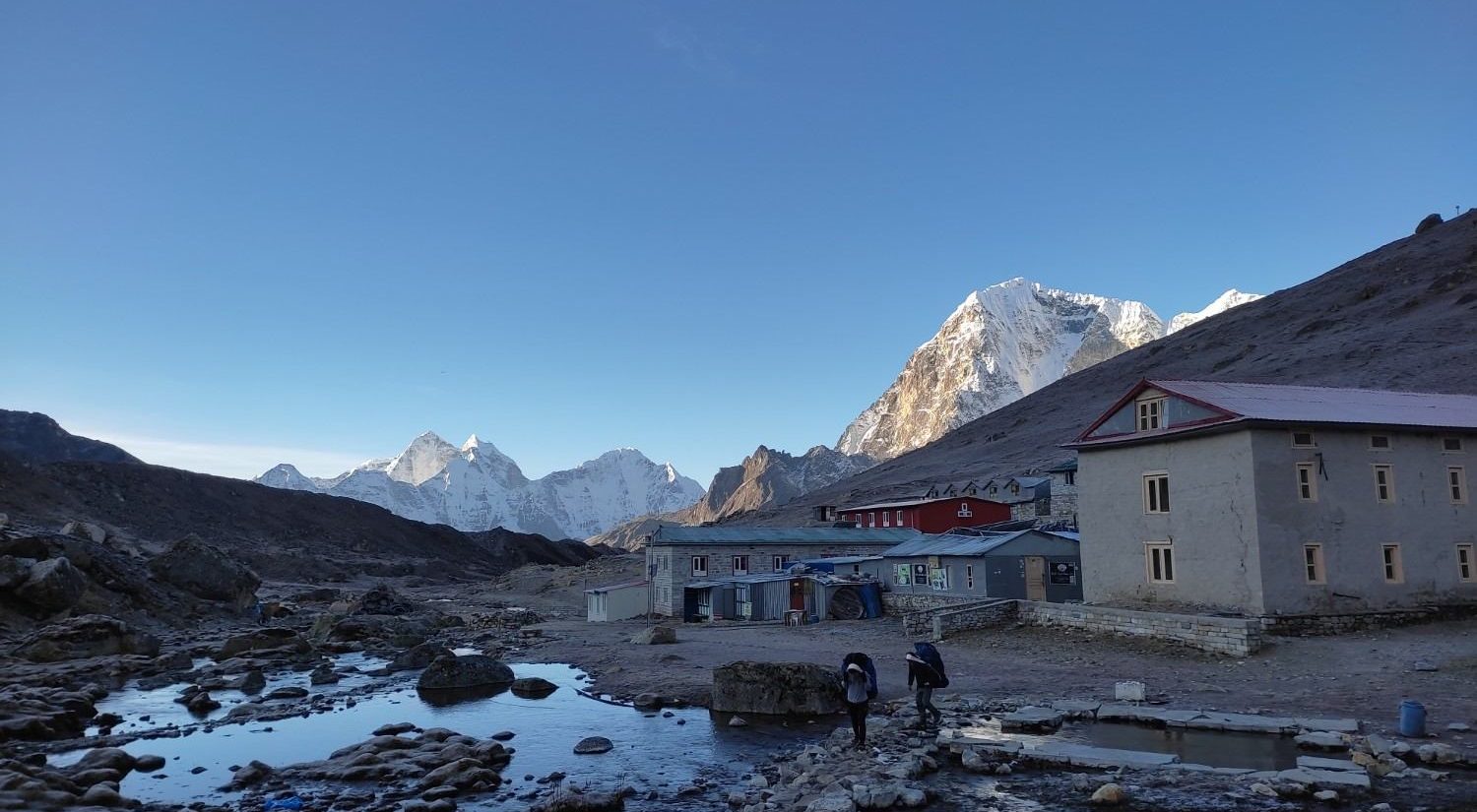
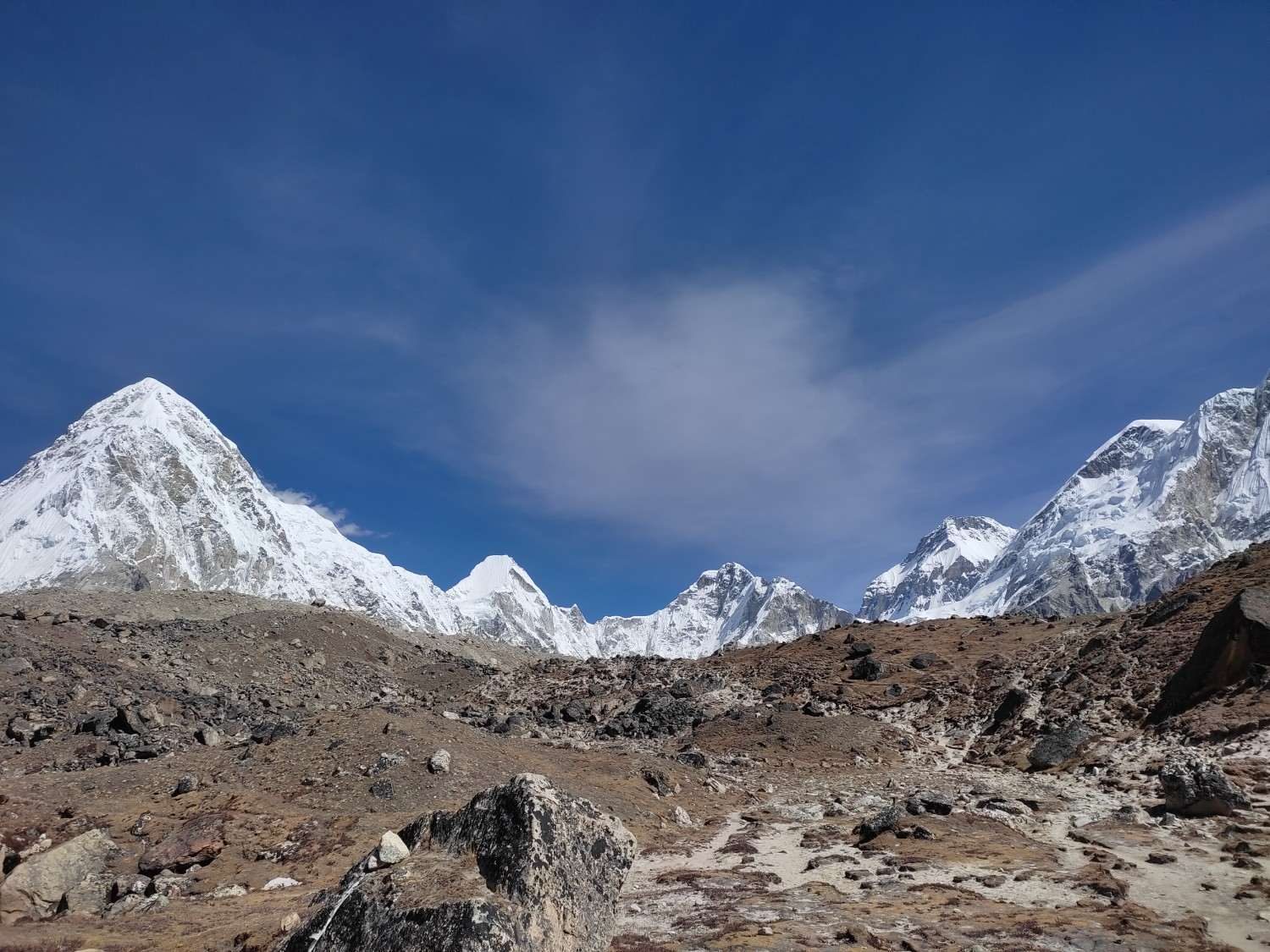
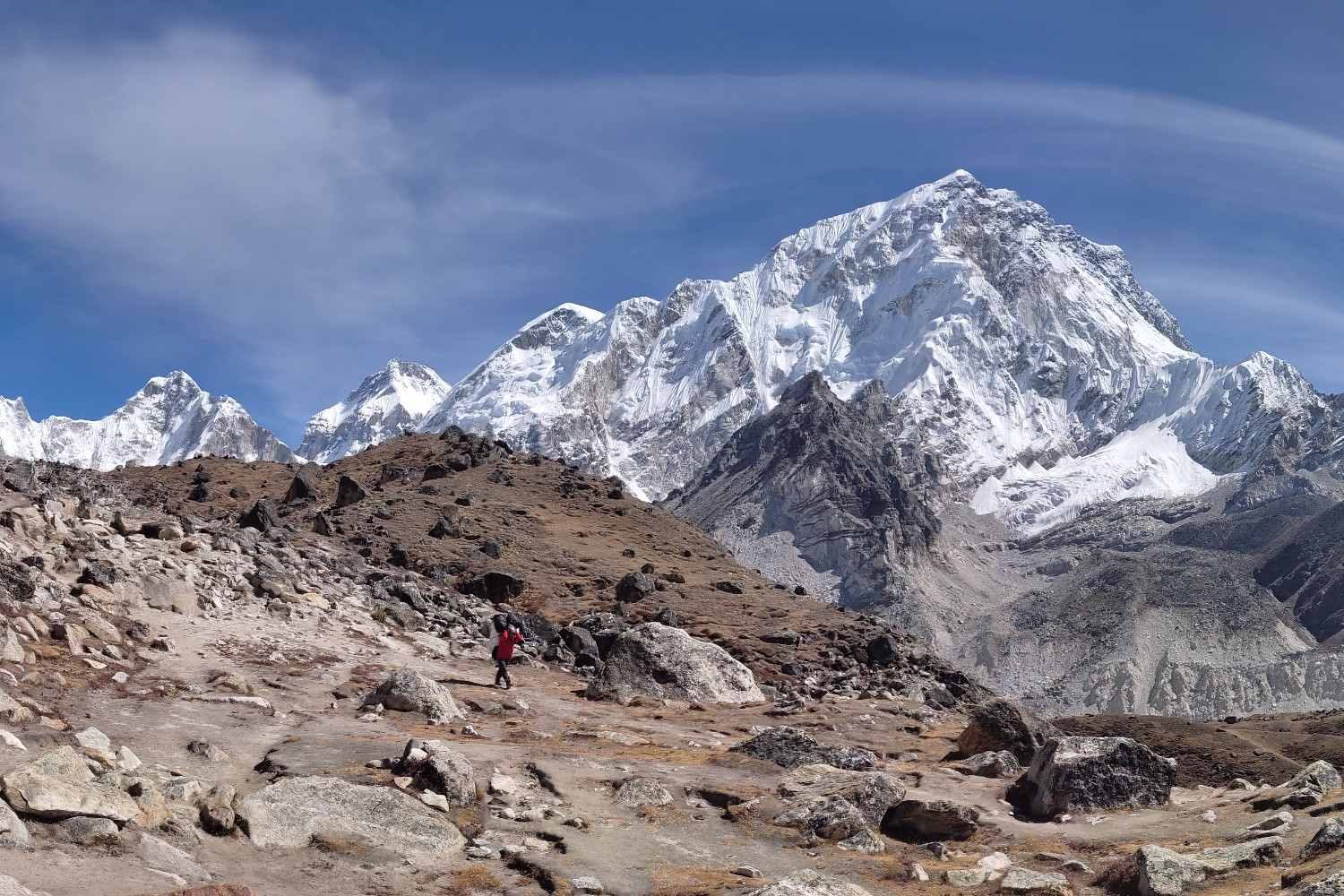
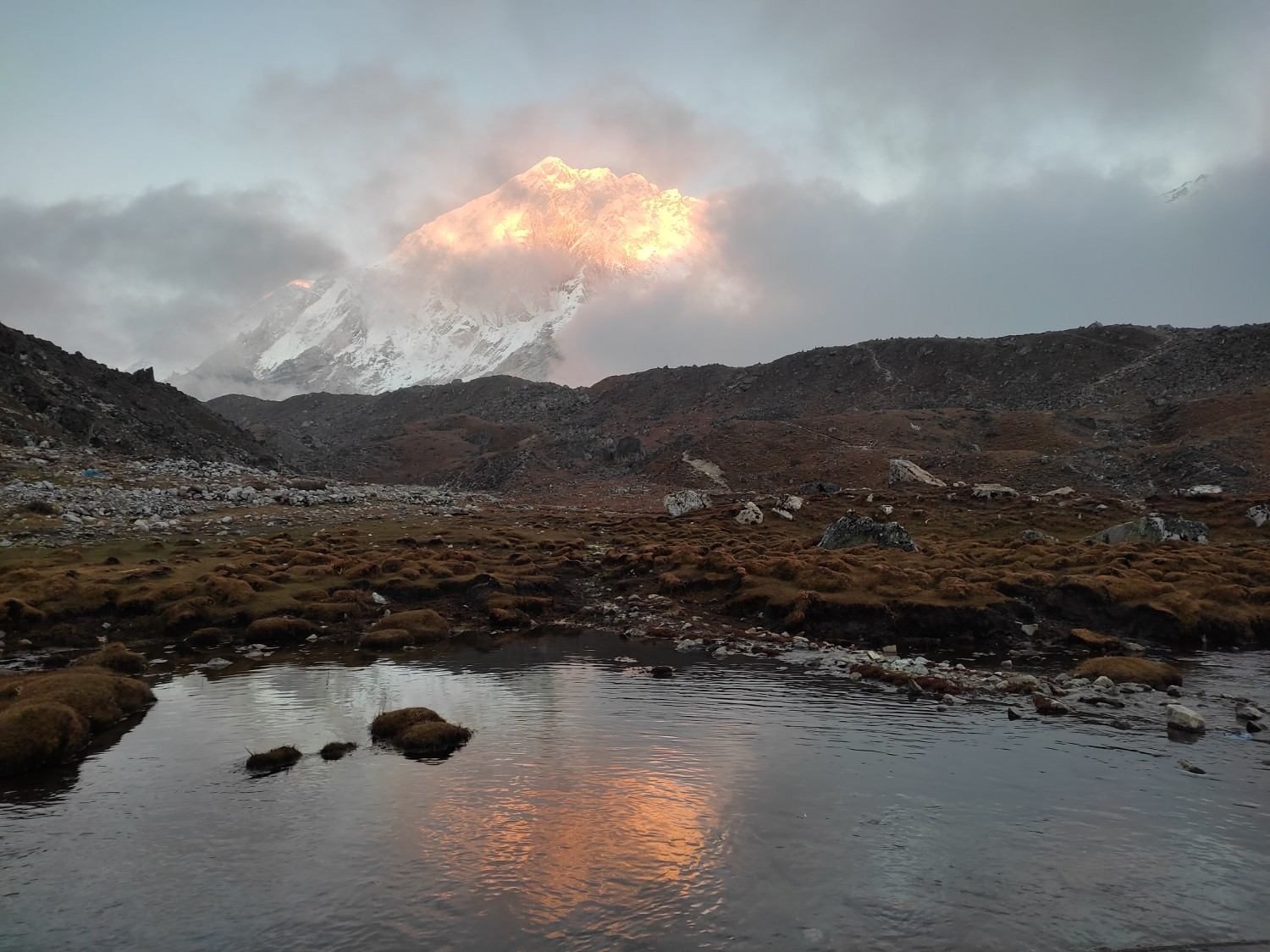
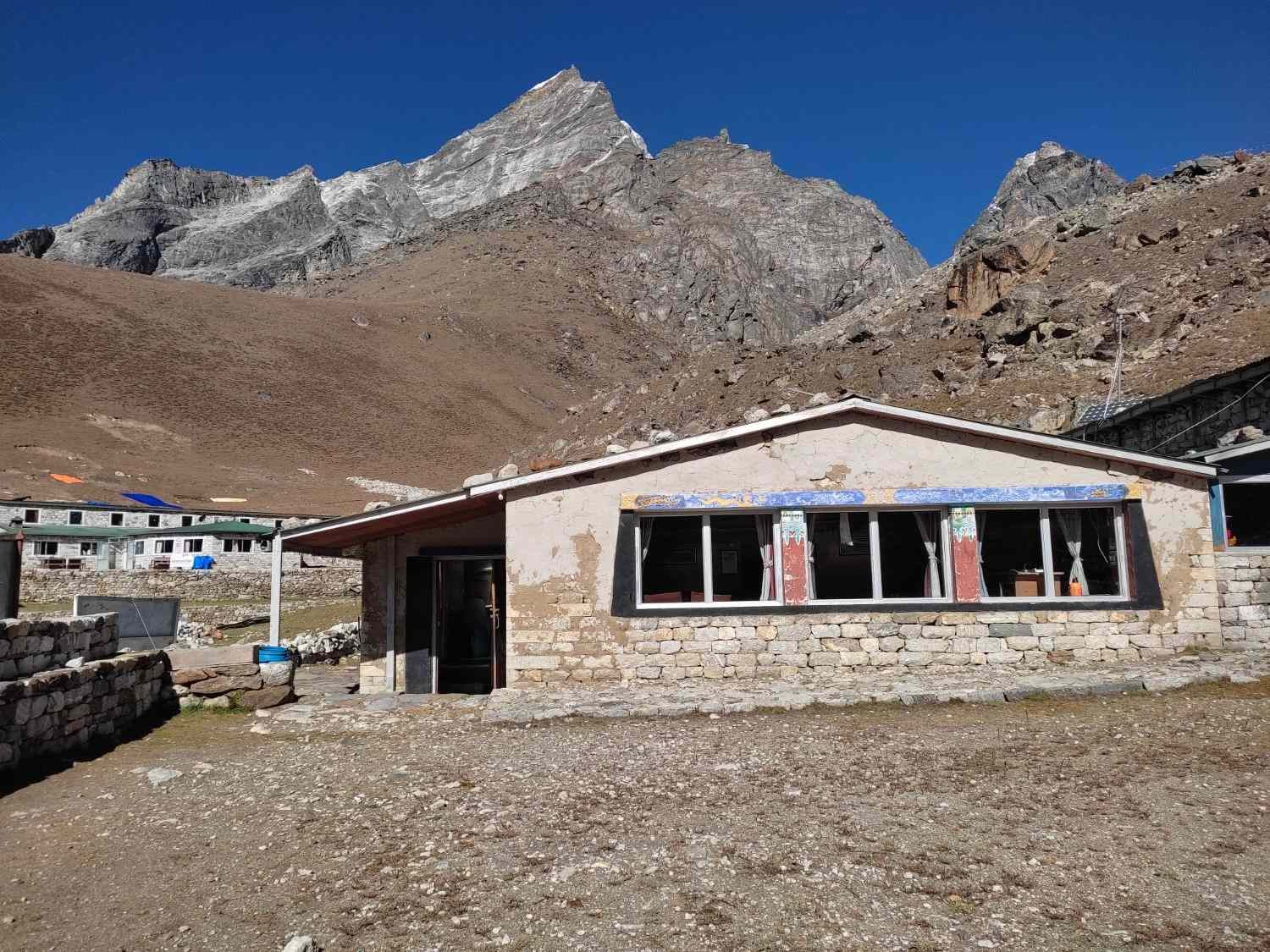
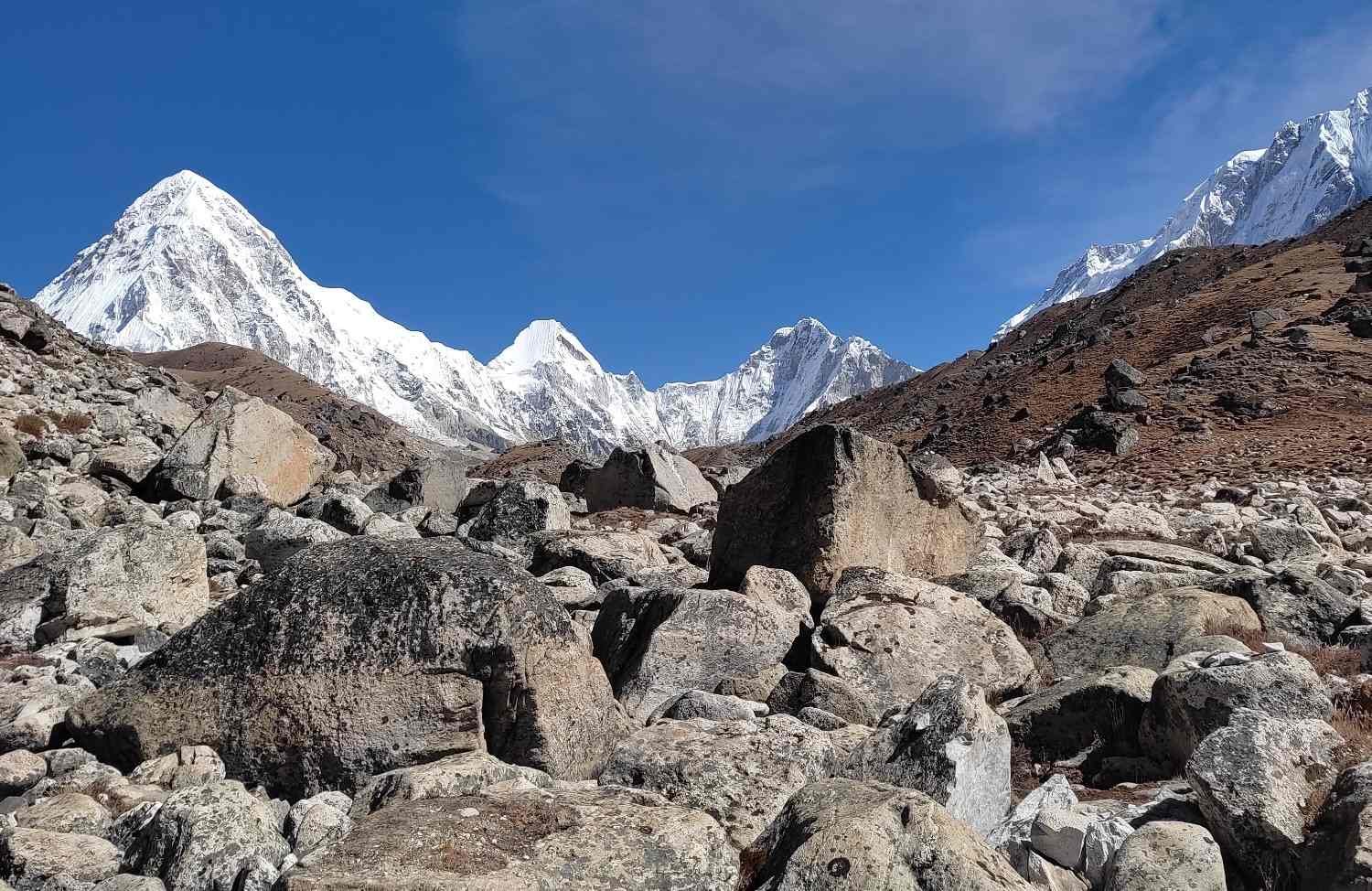
The Cho La Pass with Lobuche Peak journey takes you through the Khumbu region, a quiet place where every corner takes you closer to the mountains, local villages, monasteries, and the real beauty of the Himalayas and the people living around them. This journey takes you through mountains, different small villages, fresh air, glaciers, landscapes, and the very famous Everest region.
Throughout the way, the Cho La Pass with Lobuche Peak trek takes you across Cho La Pass at around 5,420 metres, visits EBC, experiences sunrise at Kala Patthar, and climbs Lobuche Peak, which stands 6,119 m tall.
The Cho La Pass with Lobuche Peak journey is not only about simply reaching the destination. It takes you through a long, tiring walk, changing weather, and a lot of difficult climbing sections. Some days are going to be challenging, while others may make you realise why you started a trek. This journey is more than a journey; it’s about villages, people, communities, monasteries, cultures, tea shops, food, light, and the moments that you get to experience along the trek.
Highlights
- Lobuche East Summit (6,119 m): The climb adds real mountaineering to the trek. You use crampons, ropes, harnesses and ice axes on steep snow and ice slopes, with guide support.
- Crossing Cho La Pass (5,420 m): One of the most demanding days of the trip. You cross snow and icy terrain from Thagnak to Dzongla, with sweeping views of the high mountains and glaciers.
- Everest Base Camp (5,364 m): You walk beside the Khumbu Glacier to reach the famous base camp, a moment many trekkers remember for life.
- Sunrise at Kala Patthar (5,550 m): An early-morning climb rewards you with clear views of Everest, Nuptse, Pumori and the surrounding peaks.
- Gokyo Valley and Glacial Lakes: The trail passes turquoise lakes and the Ngozumpa Glacier, with an optional hike up Gokyo Ri (5,357 m) for extra views and acclimatization.
- Sherpa Culture and Monasteries: You pass through Sherpa villages, mani walls, prayer wheels and prayer flags, and can visit monasteries such as Tengboche to learn about local traditions.
- A Route Beyond the Regular Trail: The trek combines the Gokyo and Everest regions in one loop, avoids retracing your steps, and builds in acclimatization and contingency days to support your safety and summit chances.
Altitude profile
Top: Lobuche East rises at 6,119 mHover or tap a day for detailsScroll sideways to see every day
Itinerary at a glance
- Day 1Arrival in Kathmandu
- Day 2Kathmandu to Lukla, then trek to Phakding
- Day 3Phakding to Namche Bazaar
- Day 4Acclimatization in Namche Bazaar
- Day 5Namche Bazaar to Dole
- Day 6Dole to Machhermo
- Day 7Machhermo to Gokyo
- Day 8Acclimatization Day at Gokyo
- Day 9Gokyo to Thagnak
- Day 10Thagnak to Dzongla via Cho La Pass
- Day 11Dzongla to Lobuche
- Day 12Lobuche to Gorak Shep and Everest Base Camp
- Day 13Gorak Shep to Kala Pathaar and Back to Lobuche
- Day 14Lobuche to Lobuche East Base Camp
- Day 15Acclimatization and Climbing Preparation
- Day 16Lobuche East Base Camp to High Camp
- Day 17Lobuche East Summit and Descent
- Day 18Contingency or Weather Day
- Day 19Descend towards Pheriche
- Day 20Pheriche to Namche Bazaar
- Day 21Namche Bazaar to Lukla
- Day 22Lukla to Kathmandu
Day-by-day itinerary
Altitudes are the highest point reached that day. Walking times are typical and exclude breaks; your guide adjusts the pace to the group.
After arriving in Kathmandu, settle into your hotel, take rest and prepare for your journey. This is the best time to recheck your trek equipments, and other necessary things that is needed for the trek. Make sure you finish any last-minute preparations and attend the trip briefing.
Fly from Kathmandu to Lukla. Sometimes the flight can be delayed due to weather conditions, so having patience is important.
After landing, the trek begins to Phakding. The trail passes through small villages, green hills, and forests, giving you a gentle start to the trek.
Following the Dudh Khosi River, you’ll cross suspension bridges and trek through forest areas on the way to Namche Bazaar. The final climb can be demanding as the way can be too steep, but after you reach the town, you’ll get some time to settle in.
The day is for acclimatization and exploring the nearby villages, local tea houses, viewpoints, or simply resting and enjoying the surroundings. Stay active, drink enough water, and prepare yourself for the high altitude.
Leaving the trails and following the route that leads to the Gokyo Valley. The climb takes you toward Mong La before you pass through quieter mountain landscape to Dole. Walk at a comfortable pace as the altitude increases.
While continuing in Gokyo, passing the beautiful glacial lakes and walking along the Ngozumpa Glacier, the way becomes difficult as you move towards the Gokyo village beside the turquoise lake.
While continuing in Gokyo, passing the beautiful glacial lakes and walking along the Ngozumpa Glacier, the way becomes difficult as you move towards the Gokyo village beside the turquoise lake.
Another day to adapt to yourself before heading towards high altitude. If you want, you can take a short hike to Gokyo Ri to gain some additional altitude and return to Gokyo to sleep. You can take a rest as well.
Leaving Gokyo and crossing the rugged terrain beside the Ngozumpa Glacier towards Thagnak, also known as Dragnag. The short trek day that allows you to prepare for the next challenging Cho La Pass journey. Take proper rest and follow the instructions given by your guide.
Today, start the climb early towards Cho La Pass. Sloppy trails, snow, or icy terrain can make the climb a bit difficult depending on the weather.
After crossing the pass, move down towards Dzongla. The day is going to be difficult, so walk slowly with a steady pace, follow your guide’s instructions, and take your time to reach the destination.
The way from Dzongla towards Lobuche, continues to the main Everst Base Camp trekking route. After the demanding pass crossing, use the day to rest, eat properly and prepare for the next journey.
From Lobuche, you continue your trek toward Gorak Shep before heading to Everest Base Camp. Khumbu Glacier and the dramatic views of the mountain areas are seen along the trail.
Reaching Base Camp is going to be an exciting moment, but you need to remember you are already at a high altitude. So, walk slowly, drink enough water, and give your body time to adapt to the increasing altitude.
The Kala Pathaar climb is going to be challenging, so you should start the trek early to see the best views of Everest and the surrounding mountains.
The weather can be cold and tiring in the morning, so wear warm and comfortable clothes. After reaching, you’ll get enough time to enjoy the view before returning down to Lobuche and preparing for the next journey.
From today, the trekking shifts to climbing. The route to Base Camp becomes challenging. After you arrive, take time to rest, organize your necessities, and prepare for the trek ahead.
Rest properly and be ready for the climb. You’ll get to know about basic techniques and necessary equipment to reach the summit by your guide. The techniques include practicing with a harness, crampons, ropes, and other climbing equipment, depending on the routes and conditions. Check your necessary equipment, ask question if you have confusion and get enough rest.
The route becomes steeper as you move to High Camp. The day is shorter compared to summit day, but the weather makes the trek challenging. After you reach High Camp, rest- just rest because the next day is summit day.
Today you should start as early as you can, as the trails become steeper as you climb up to higher camp. You should have patience, move carefully, and follow the instructions given by your guide.
As you climb higher, the weather gets cold, and the air gets thinner. Reaching the summit is not guaranteed as the climb depends on weather condition, physical condition of trekkers as safety always comes first. If conditions allow, you reach the summit, which stands 6,119 metres tall, and you can enjoy the view and the weather for some time, and you’ll get back to the lower camp to rest.
Mountain weather is unpredictable, so keeping a contingency day is useful. If the summit attempt couldn't go properly the previous day, this day is another opportunity depending on guide instruction and weather conditions. And if you attempt it, this day can be useful to rest and recover and continue the descent.
After completing the climb, start moving down towards Pheriche. As you are descending to the lower altitude, the walk can feel comfortable, although the body is still tired. Take enough time and allow your body to recover.
After the climb, the journey continues as we return to lower Khumbu. The lower altitude can make it feel easy, though the body is still tired from all the fatigue during the climb. The return is comforting because of the familiar trails and villages that bring a sense of ease and familiarity.
The final day of the trek. You’ll return the paths that you came; you’ll see the villages, forests, and suspension bridge before reaching Lukla. After completing such a demanding trek, reaching Lukla can feel like an absolute achievement.
After breakfast, you’ll take a flight from Lukla to Kathmandu.
The flight schedule still depends on the weather condition, so having patience is still recommended. After you reach Kathmandu, take some rest and look back at the overall journey.
Customize this trip
Every itinerary on this page can be changed. Tell us what you would like and a trip planner will send back a tailored day-by-day plan and price, usually within a few hours.
- Add rest or acclimatisation days
- Upgrade hotels and lodges
- Combine it with another trek, tour or safari
- Travel privately on your own dates
Dates & prices
Can't see your date?
Pick any start date in the booking box or send us your plans and we'll confirm availability within a few hours.
Includes & Excludes
Includes
Transportation
- Private pickup and drop-off between Tribhuvan International Airport and your hotel
- Round-trip domestic flight between Kathmandu/Manthali and Lukla
- Shared vehicle transfer between Kathmandu and Manthali during peak seasons when Lukla flights operate from Manthali Airport
Accomodation
- 11 nights accommodation during the trek
- 3 nights accommodation in Kathmandu with breakfast (at 3-Star Standard Hotel) on a twin-sharing basis
Food
- 11 x set breakfast, 11 x set lunch and 11 x set dinner while on trek
- Water purification tablet for safe drinking water
Guide and Porter
- Government-licensed and English-speaking trekking guide (leader)
- Assistant trekking guide for groups of 5+ trekkers
- Porter service (1 porter for every 2 trekkers with a combined luggage of 20kg)
- All guide and porter expenses: meals, accommodation, insurance, salary, transportation, flights, and trekking equipment
Permit
- Sagarmatha National Park Entry Permit
- Khumbu Pasang Lhamu Permit
- All government/local taxes and official service charges
Medical Assistance
- Basic first-aid medical kit with daily health monitoring
- Pulse oximeter for monitoring oxygen saturation levels at high altitude
- Emergency rescue and evacuation services when required (rescue costs covered by travel insurance)
Excludes
Accomodation
- All accommodations in Kathmandu, before and after the itinerary
- Extra night accommodation in Kathmandu due to early arrival or late departure, or early return from the trek.
Food
- Meals in Kathmandu before and after the trek
- Extra night meals due to early return or arrival, or early departure from the trek
Guide and Porter
- Tips for guides and porters (recommended)
Visa
- Nepal entry visa fees ($50 USD for 30 days, at Tribhuvan International Airport)
Travel Insurance
- Personal travel insurance covering high-altitude trekking, emergency helicopter evacuation, and rescue operations (mandatory)
Packing list
Head & Face
- Sun hat or cap (wide-brimmed)
- Ear-covering warm hat or knitted beanie
- Scarf, buff, or neck gaiter
- UV-protection sunglasses
- High SPF sunscreen and lip balm
- Lightweight headlamp with spare batteries
Upper Body
- long-sleeved t-shirts
- Thermal base layers (light for warm months/heavy for cold)
- Fleece and puffy/insulated jacket
- Down jacket for colder elevations
- Waterproof and windproof outer jacket
- Lightweight long-sleeve breathable trekking shirt
- Synthetic bra for women
- Waterproof nylon raincoat or poncho
Handwear
- Warm insulated gloves or mittens
- Lightweight liner gloves
- Waterproof outer gloves for snow or wet conditions
Lower Body
- Quick-drying trekking pants and underwears
- Convertible or full-length trousers
- Quick Drying Underwear Thermal leggings or base layers
- Warm trekking trousers (insulated pants) for colder sections
- Lightweight cotton pants for evenings/ inside teahouses
Backpack/Other Gears
- Duffle bag/Rucksack (50-60 liters shared between two trekkers)
- Day backpack (20–30 liters) with rain cover
- Water purification tablets, a filter, or a UV purifier
- Sleeping bag (rated -5°C to -10°C)
Useful trip information
The recommended months for this trip are Mar – May, Sep – Dec. Autumn brings the clearest skies after the monsoon; spring is warmer, with rhododendrons in flower. Winter is cold but quiet, and the monsoon (June–August) brings rain and cloud to most of Nepal.
Hotel in Kathmandu, teahouses on the trek. Teahouses are family-run mountain lodges with twin rooms and a heated dining room. Rooms in lower villages often have attached bathrooms; higher up, facilities are shared and simpler.
All meals on the trek, breakfast in Kathmandu. On the trail you order from the teahouse menu: dal bhat, noodle soups, momos, pasta, porridge and eggs. Vegetarian food is the safest choice at altitude. Bring purification tablets or a filter bottle and refill rather than buying plastic bottles.
Traveller reviews
Read more on TripadvisorPaced perfectly for the altitude
Our guide checked our oxygen levels every evening and never once rushed us. Standing at base camp after nine days of walking was emotional, and the team made it feel effortless to organise.
Thorong La at sunrise
We left High Camp at 4 am and topped out on the pass as the sun hit the snow. The teahouses were well chosen, food was hot, and our porter Binod became a friend.
Small group, big views
Mardi Himal was the perfect short trek for us. Rhododendrons in full bloom, Machhapuchhre right in front of us at high camp, and a guide who knew every village we passed.
Langtang exceeded every expectation
Close to Kathmandu but it feels remote. Kyanjin Gompa and the climb to Tserko Ri were highlights. Communication before the trip was quick and honest about what to expect.
You might also like
More trips in the Everest Region and similar adventures.
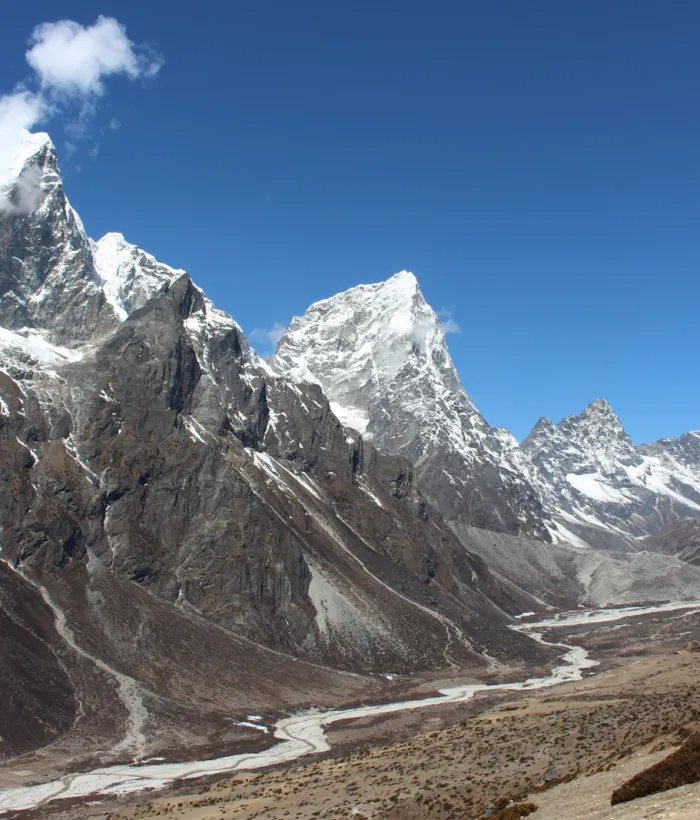
Everest Region
Cholatse Peak Climbing
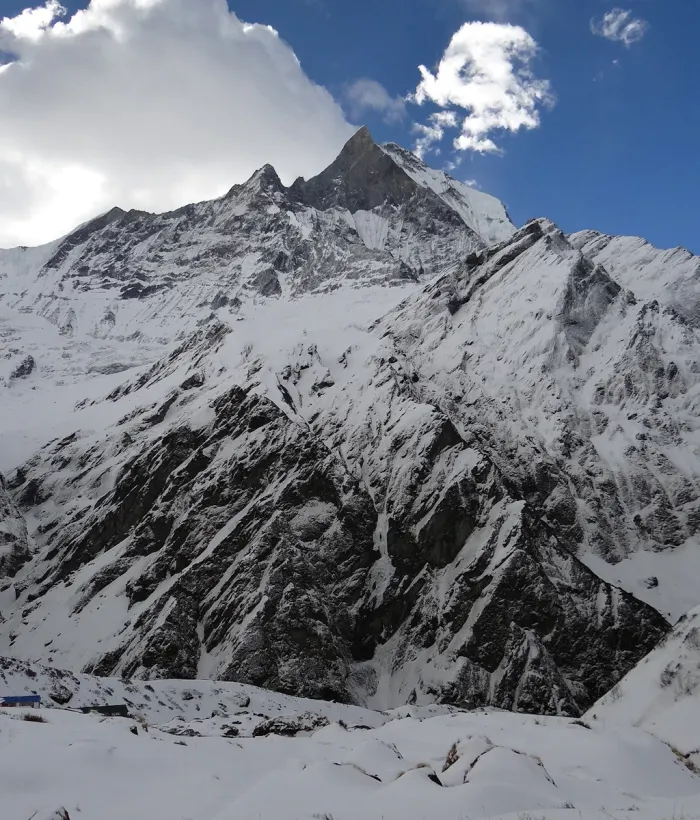
Annapurna Region
Singu Chuli Peak Climbing
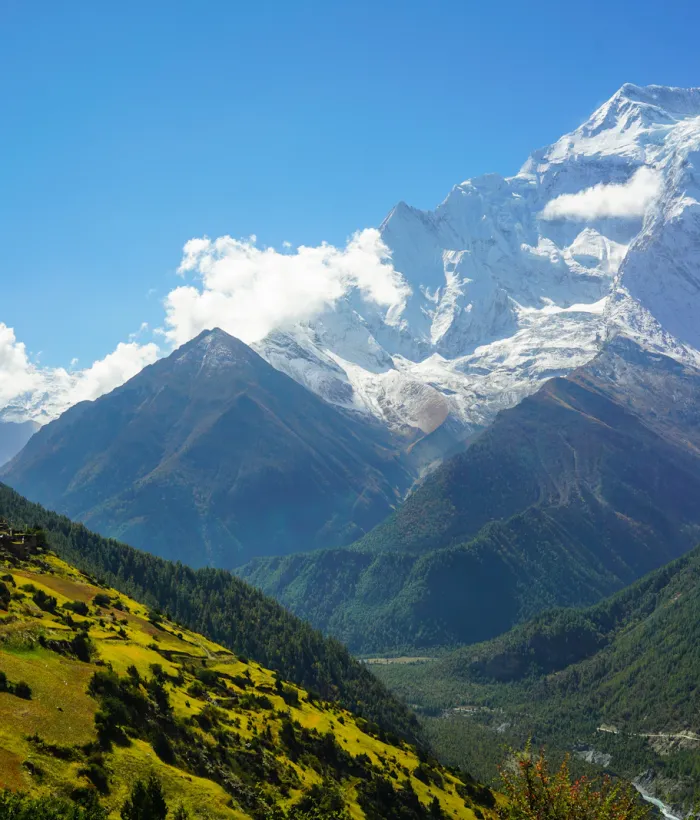
Annapurna Region
Chulu West Peak Climbing
Ready for the Cho La Pass with Lobuche Peak-Cross High Mountains?
Send us your preferred dates. We'll confirm availability, flights and lodges, and answer any question before you pay a deposit.