

Peak Climbing
- Duration18 days
- Max. altitudeHiunchuli summit, approximately 6,441 m
- GradeChallenging
- Start / endKathmandu to Kathmandu
- Group size
- Best seasonSpring and autumn
- AccommodationHotels, basic teahouses/lodges and tented camps
- MealsTeahouse meals on the trek; camp meals at the higher camps
- ActivityPeak climbing
- TransportRoad transport
Overview
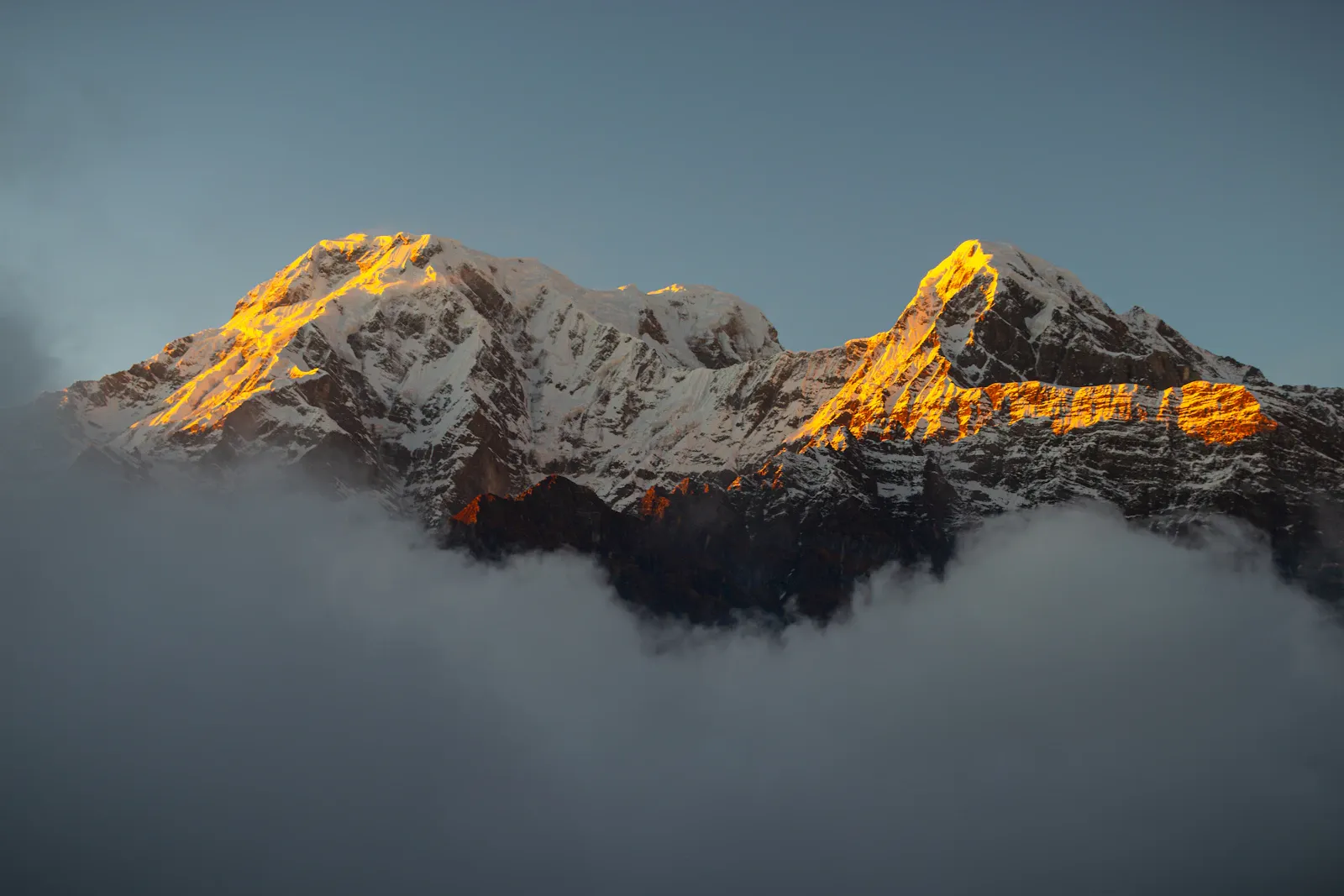
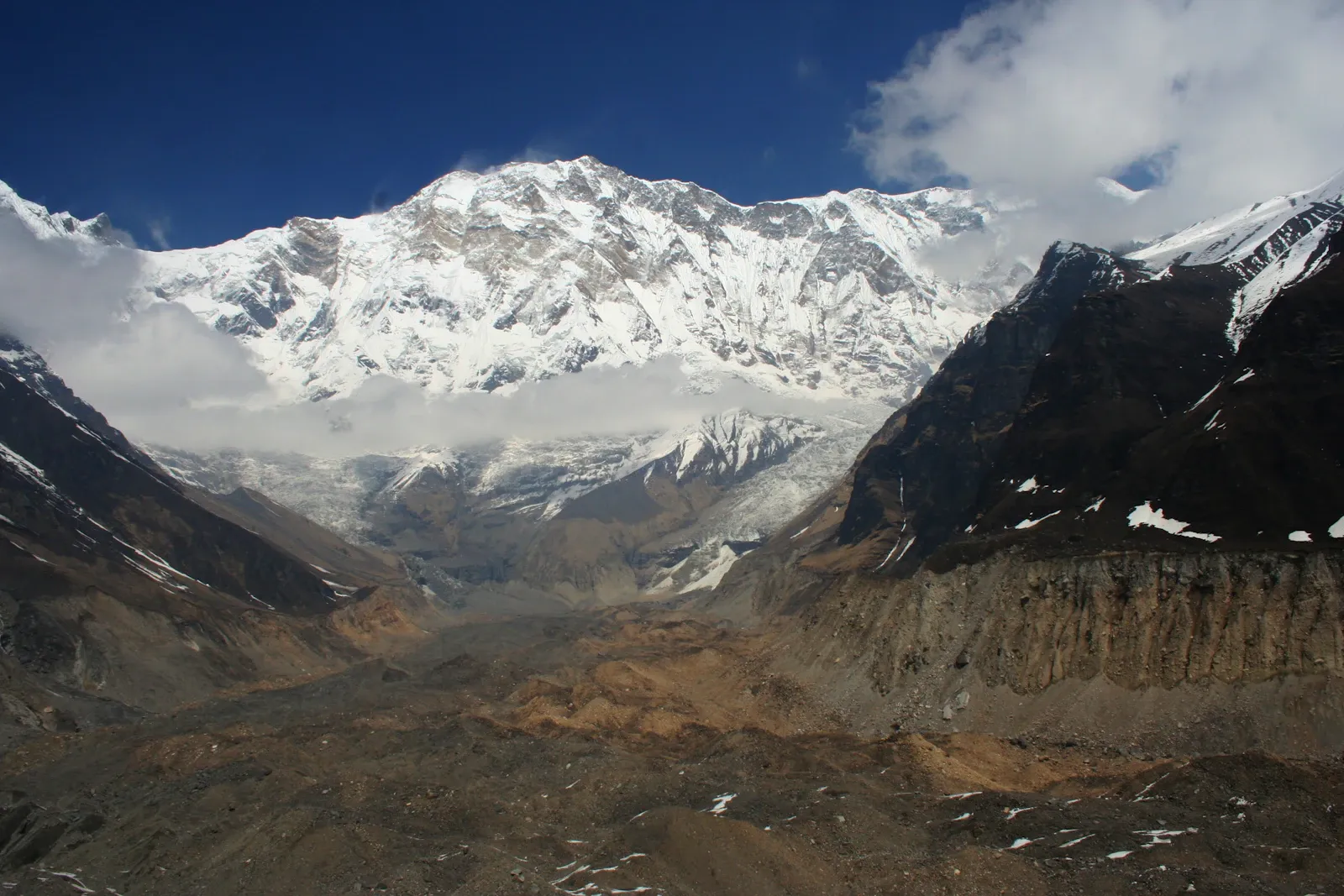
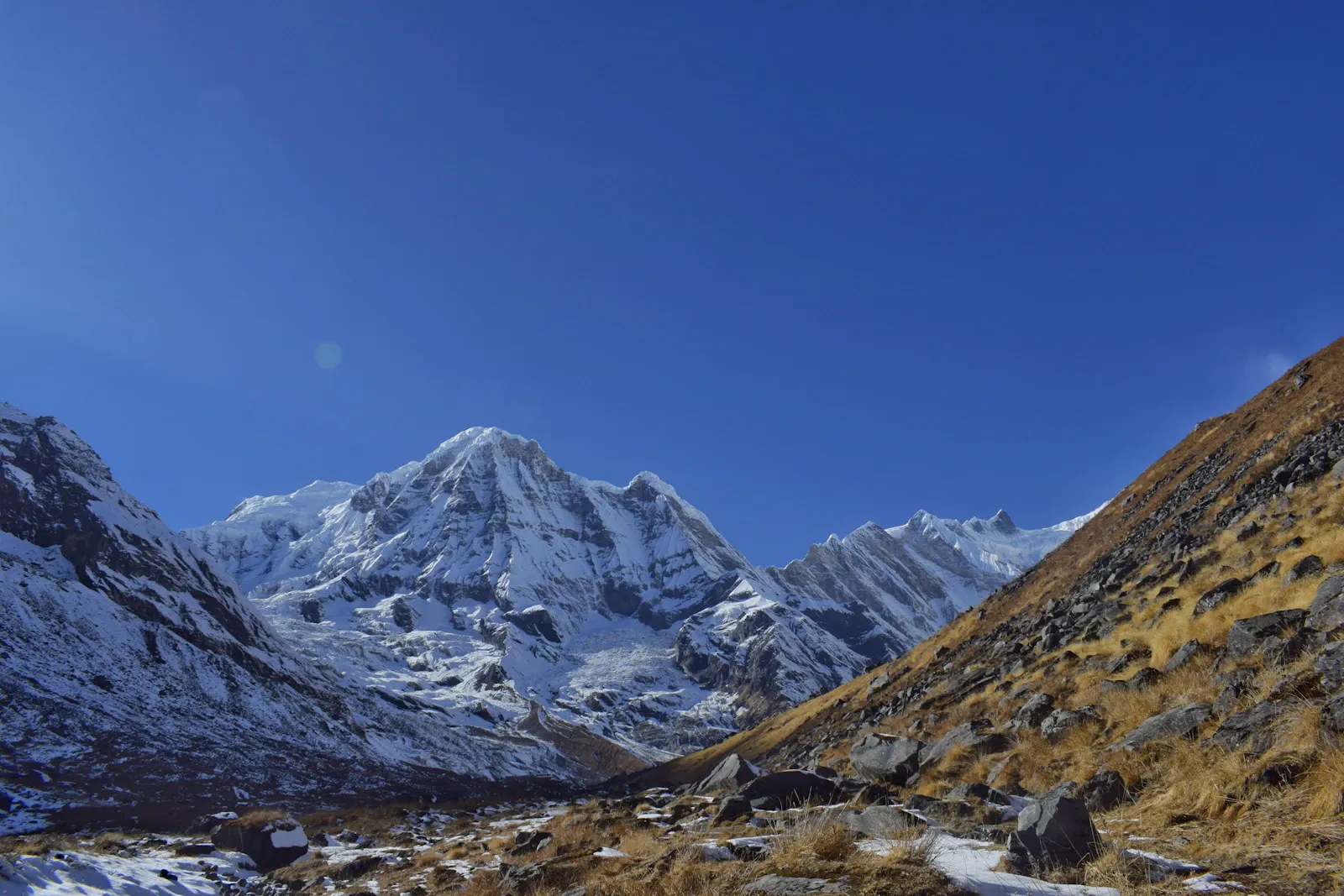
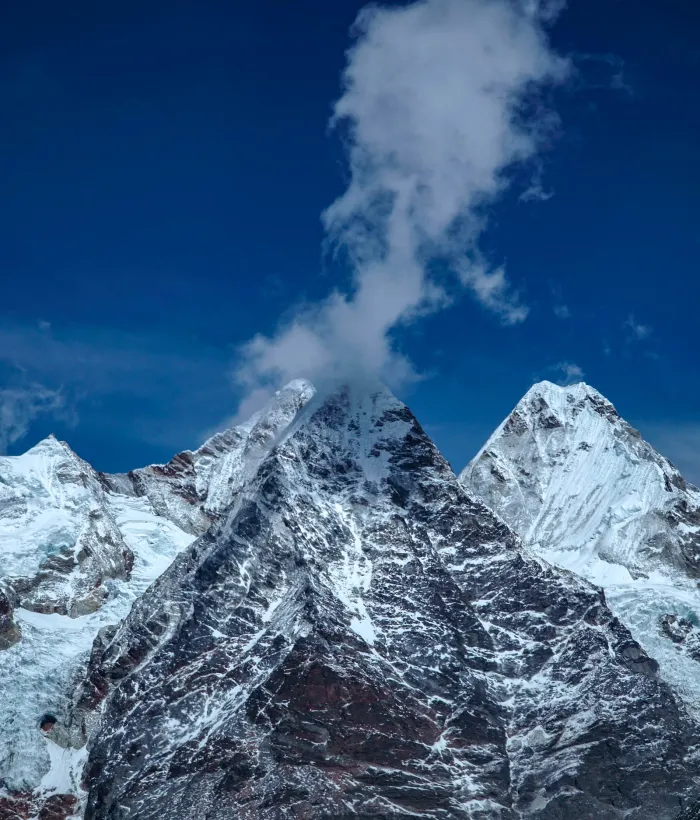
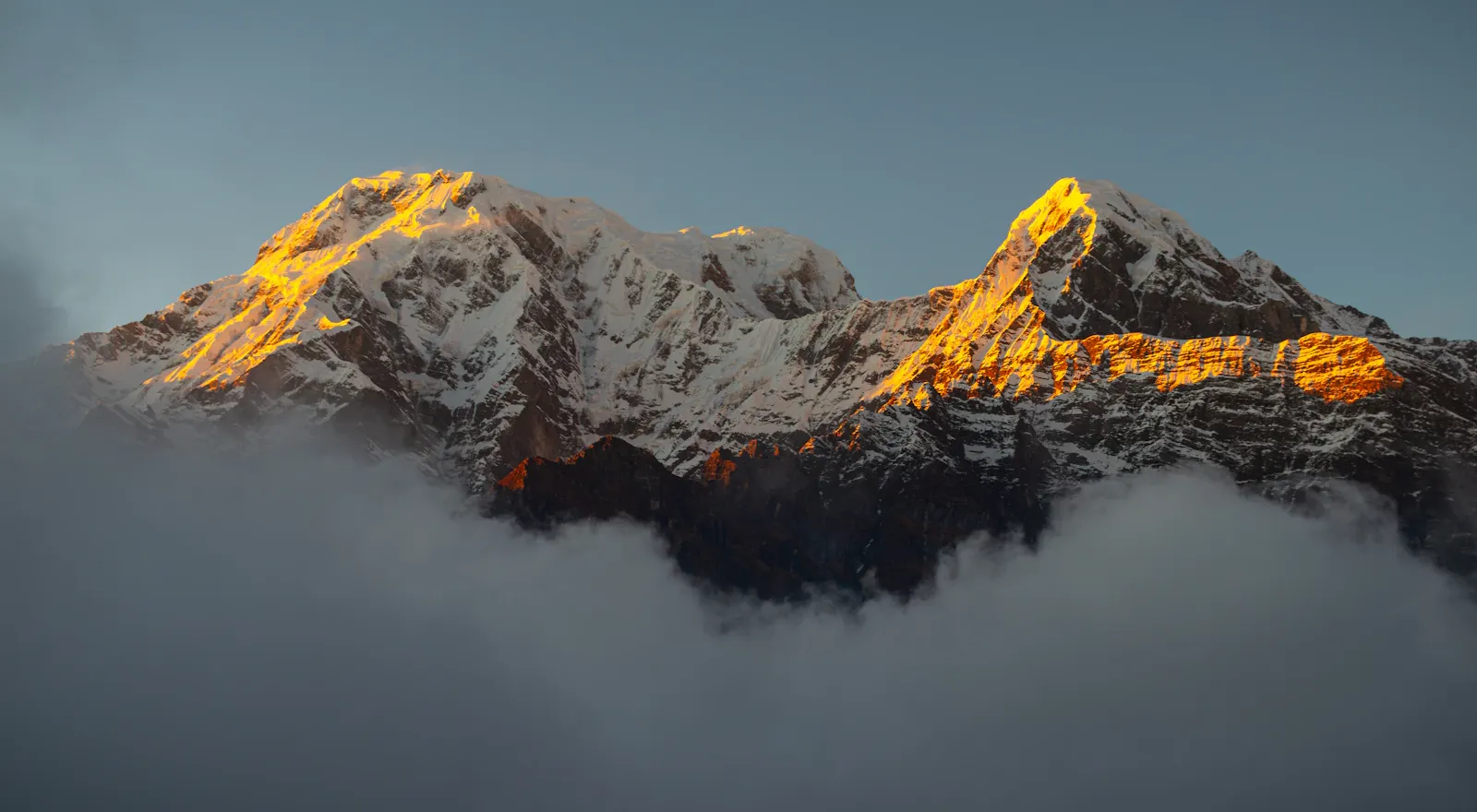
Hiunchuli Peak Climbing is a high-altitude mountaineering journey in the Annapurna region. Hiunchuli rises to approximately 6,441 m and, together with Annapurna South, forms one of the most impressive mountain walls above the Modi Khola Valley and the Annapurna Sanctuary.
The climb combines trekking through the Annapurna Sanctuary with a demanding ascent. The journey follows the trail toward the Annapurna Base Camp area, then branches off toward the Hiunchuli climbing section.
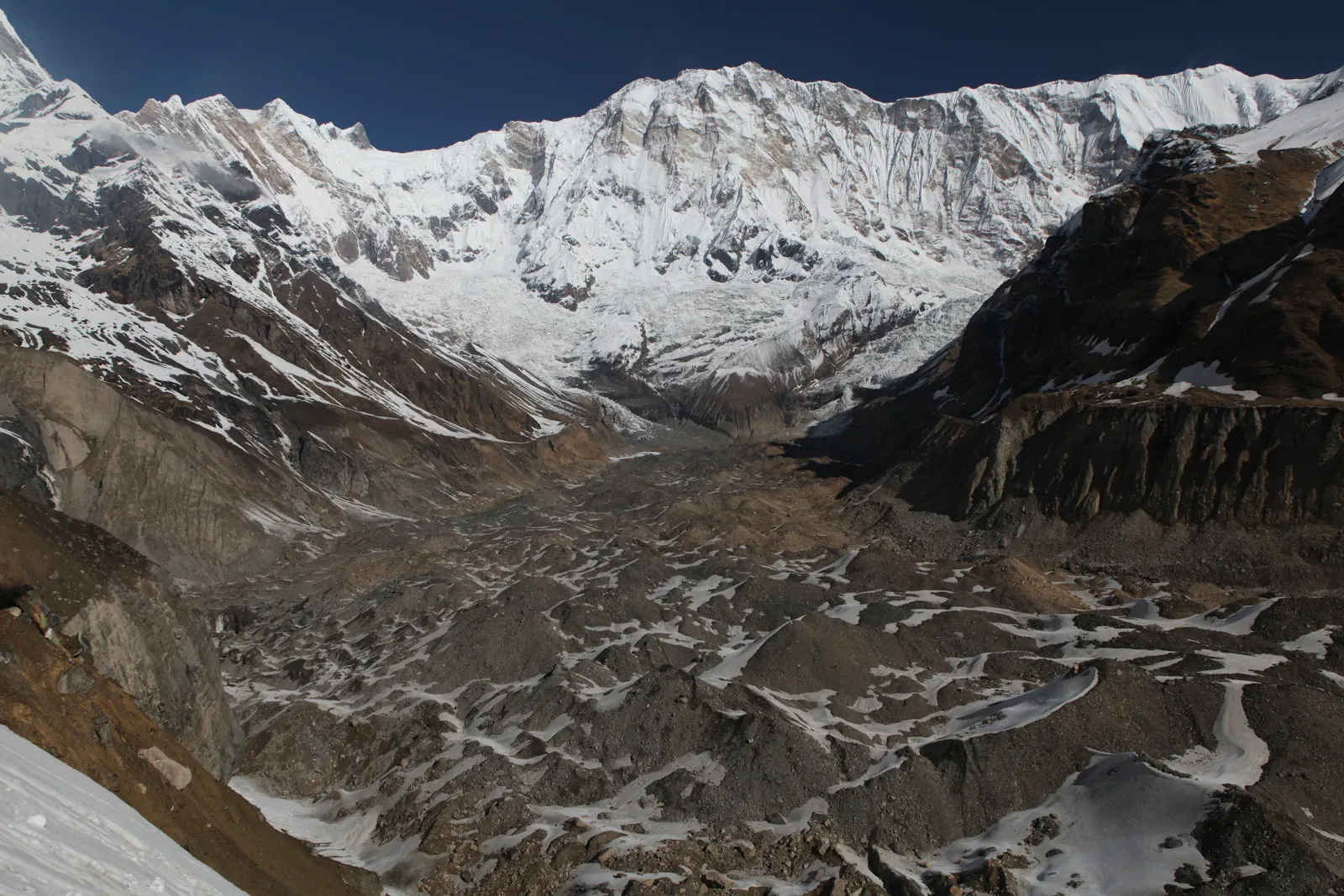
The Southeast Face is one of the most commonly used approaches. The route can involve slippery terrain, steep snow, ice and rock, and conditions vary by season. Another approach is from the Northwest Face, though it is rarely attempted.
Although Hiunchuli is not as high as many expedition peaks, climbers should not take its conditions lightly. Rockfall, route-finding, snow and changing conditions can make the ascent difficult.
Summit attempts begin early, with timing set by the climbing team based on the weather and route conditions.
Hiunchuli is best suited to prepared trekkers and climbers who understand the demands of high-altitude peaks, the equipment needed and the importance of sound decision-making.
Route
Kathmandu – Pokhara – Nayapul – Trekking village – Chhomrong – Bamboo – Deurali – Machhapuchhre Base Camp/Annapurna Base Camp – Hiunchuli Base Camp – High Camp – Hiunchuli Summit – Base Camp – Annapurna Sanctuary – Chhomrong – Final trekking point – Pokhara – Kathmandu
Highlights
- Climb Hiunchuli Peak at approximately 6,441 m
- Trek through the beautiful Annapurna Sanctuary
- Mountain scenery around Annapurna South and Hiunchuli
- Pass through Gurung settlements and experience the local culture
- Follow the Modi Khola Valley into the Annapurna Sanctuary
- Feel the change in altitude during the climbing section
- Prepare for the summit with the guidance of an experienced climbing team
- Experience snow, ice and rough mountain terrain, depending on conditions
- A challenging high-altitude summit attempt
- Views of Annapurna South, Annapurna I, Machhapuchhre, Dhaulagiri and other Himalayan peaks
- Experience the quieter side of the mountain environment
Altitude profile
Top: Hiunchuli summit, approximately 6,441 mHover or tap a day for detailsScroll sideways to see every day
Itinerary at a glance
- Day 1Arrival in Kathmandu
- Day 2Climbing Preparation and Trip Briefing
- Day 3Drive from Kathmandu to Pokhara
- Day 4Drive to Nayapul and Trek to a Trekking Village
- Day 5Trekking Village to Chhomrong
- Day 6Chhomrong to Bamboo
- Day 7Bamboo to Deurali
- Day 8Deurali to Annapurna Base Camp / Hiunchuli Base Camp
- Day 9Acclimatization and Climbing Preparation
- Day 10Base Camp to High Camp
- Day 11Summit Attempt of Hiunchuli and Return
- Day 12Descend to the Annapurna Sanctuary
- Day 13Return to Chhomrong
- Day 14Chhomrong to Ghandruk / Final Trekking Point
- Day 15Return to Pokhara
- Day 16Drive from Pokhara to Kathmandu
- Day 17Leisure or Contingency Day in Kathmandu
- Day 18Final Departure
Day-by-day itinerary
Altitudes are the highest point reached that day. Walking times are typical and exclude breaks; your guide adjusts the pace to the group.
Once you reach Kathmandu, the capital of Nepal, your Hiunchuli Peak climb begins.
After completing airport formalities, you are transferred to your hotel, where you can spend the rest of the day resting and preparing for the trek.
If time allows, you can meet your guide and climbing team to learn about the trip.
Today is for preparing for the trek and climb.
You review the itinerary, discuss altitude and mountain safety, and check your equipment with your climbing team and guide.
It is also a good opportunity to arrange any remaining equipment before leaving for the climb.
The trip starts with a drive from Kathmandu to Pokhara.
The road follows the middle hills and river valleys before reaching Pokhara, the beautiful gateway to the Annapurna region.
Pokhara offers an opportunity to rest and make final preparations before starting the climb.
After leaving Pokhara, you continue by road to the trek's starting point at Nayapul.
The trail then enters the Annapurna hills, passing terraced farms, forests and mountain settlements.
The exact starting point and overnight village depend on the final route.
The journey continues through the Annapurna foothills to Chhomrong (approx. 2,170 m).
The terrain includes forests and traditional settlements, and as you climb, the mountain scenery becomes more noticeable.
Chhomrong is one of the most important villages on the way into the Annapurna Sanctuary.
The day continues deeper toward the Annapurna Sanctuary.
The route follows upper and lower trails through forests and along the Modi Khola.
Bamboo is a common overnight stop before the trail continues to the higher section.
The trail follows the narrow valley toward Deurali (approx. 3,200 m).
The elevation increases as you pass through the forest, and the cliffs and mountain landscape become clearer as you enter the upper section of the sanctuary.
Keep a steady pace as the group gains altitude.
Today the journey enters the higher Annapurna Sanctuary.
The landscape opens up, with mountain walls visible along the trail. Depending on the final climbing route, the group continues to the appropriate Hiunchuli Base Camp area.
Some routes lead from the Annapurna Sanctuary, and the exact Base Camp arrangement depends on the climbing line being used.
Once you reach camp, the climbing team prepares for the next stage of the climb.
This day is for acclimatization and expedition preparation, allowing your body to adapt to the altitude rather than moving higher straight away.
The climbing team uses the time to check equipment, give a route briefing and practise essential climbing techniques where required.
Depending on route conditions, you practise using crampons, an ice axe, a climbing harness and fixed ropes.
Today you head to Hiunchuli High Camp.
The terrain becomes more slippery and alpine as the route leaves the busy trekking trail. Depending on conditions and the climbing route, the climb may include rock, snow and ice.
Fixed ropes or other protection may be used on rough sections as needed. The exact equipment and route depend on current mountain conditions.
After reaching High Camp, climbers rest, stay hydrated and prepare for the summit attempt.
This is the main climbing day. The summit attempt begins early so the team can reach the peak in daylight and suitable weather.
The climb includes steep snow, ice and rocky terrain, depending on current route conditions. The Southeast Face route is commonly used, but be aware that the climb can involve rockfall and route-finding hazards. Walk at a comfortable pace and follow the guide's instructions throughout.
Once you reach the summit at approximately 6,441 m, you'll have time to take in the Himalayan scenery if the weather allows, with views of Annapurna South, Annapurna I, Machhapuchhre, Dhaulagiri and other peaks of the Annapurna region.
The descent starts after the summit. Depending on the climbing plan and conditions, the group returns to High Camp or continues to Base Camp.
After the summit, the group descends to the lower route through the Annapurna Sanctuary.
The lower altitude gives your body some relief, though you may still feel tired after the long summit day.
Keep a controlled pace, as the terrain is steep and slippery.
The trail continues back through the Annapurna Sanctuary.
As you descend, the landscape becomes greener and denser, and you'll notice the change in temperature after the summit environment.
The trail continues through the Annapurna foothills.
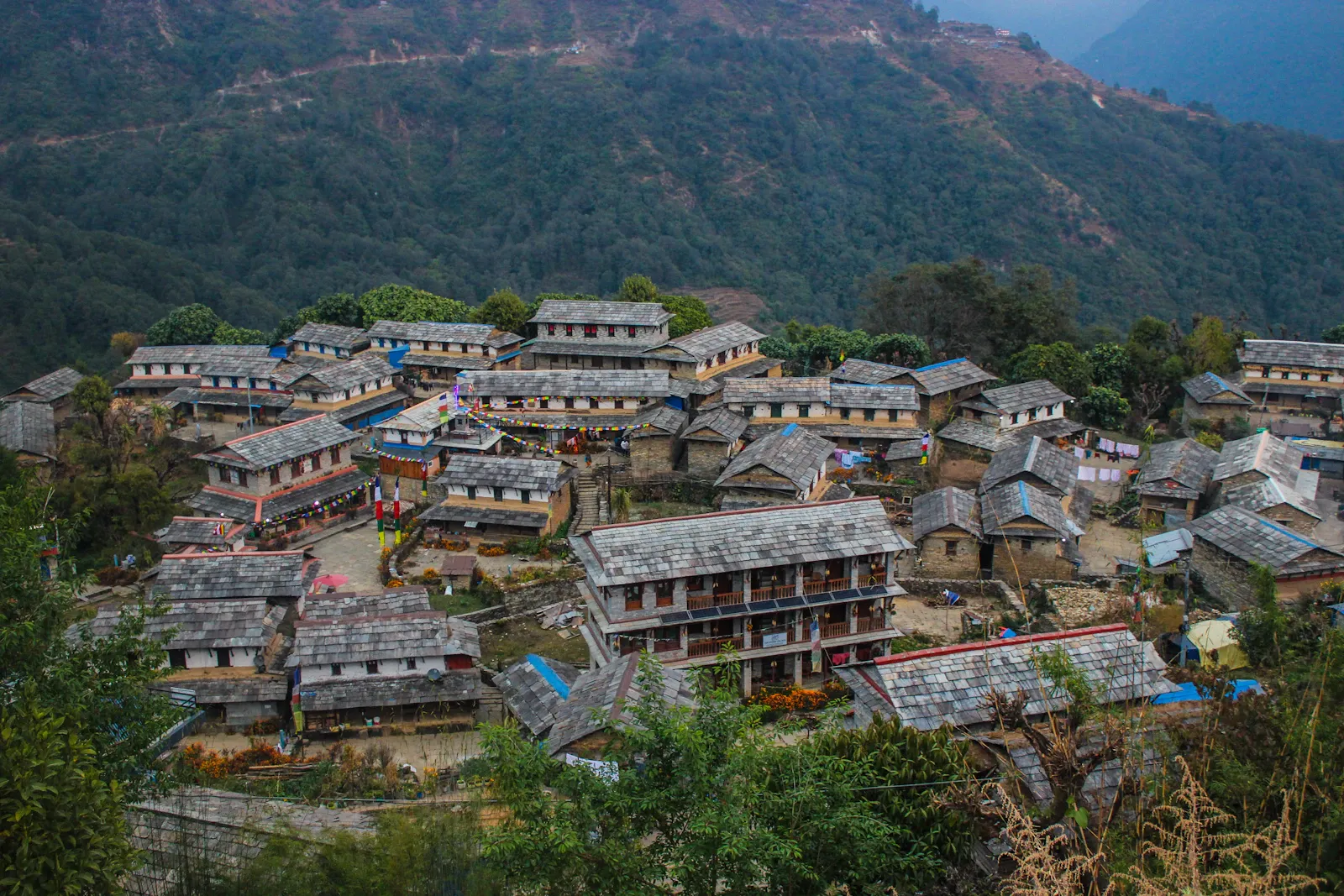
Depending on the final route, you pass traditional Gurung settlements and terraced hillsides.
The descent is a strong contrast to the alpine landscape of the climb.
After the trek, you return to Pokhara. Depending on the route, this may combine walking and road transport.
Pokhara is a relaxing place to rest after the expedition.
Today you return to Kathmandu.
The road follows the hills and river valleys before entering the capital. After arriving, you can rest and relax in the evening.
Use today to rest or as a contingency day.
Mountain itineraries can be affected by the route, weather and other circumstances, so keeping the schedule flexible helps.
If the itinerary has gone as planned, you can explore Kathmandu or simply rest after the long and memorable journey.
Your Hiunchuli Peak Climbing journey ends today.
Depending on your flight time, you'll have some free time before heading to Tribhuvan International Airport.
Customize this trip
Every itinerary on this page can be changed. Tell us what you would like and a trip planner will send back a tailored day-by-day plan and price, usually within a few hours.
- Add rest or acclimatisation days
- Upgrade hotels and lodges
- Combine it with another trek, tour or safari
- Travel privately on your own dates
Dates & prices
Departure dates and prices are confirmed on request.
Can't see your date?
Pick any start date in the booking box or send us your plans and we'll confirm availability within a few hours.
Includes & Excludes
Includes
Included in the package
- Transportation
- Accommodation
- Meals
- Guide and climbing crew
- Permits
- Climbing support
- Safety
Excludes
Flights and Visa
- International flights to and from Nepal
- Visa fees
Insurance and Medical
- Helicopter expenses
- Medical expenses
Personal Equipment
- Personal climbing equipment
- Personal trekking equipment
Extra Costs
- Extra accommodation caused by delays
- Extra meals outside the package
- Bottled water, soft drinks and other beverages
- Hot showers, Wi-Fi and charging fees
- Laundry
- Personal expenses
- Tips for guides and porters
- Other services not mentioned as included
Packing list
Hiunchuli requires trekking equipment as well as climbing equipment.
Upper Body
- Moisture-wicking base layers
- Trekking shirts
- Fleece jacket
- Warm insulated jacket
- Down jacket
- Waterproof and windproof shell jacket
- Thermal upper layers
Lower Body
- Trekking trousers
- Thermal leggings
- Waterproof trousers
- Warm climbing trousers
- Comfortable base layers
Head and Hands
- Sun hat
- Warm woollen hat
- Buff or neck gaiter
- Sunglasses suitable for strong mountain sunlight
- Glacier glasses
- Warm gloves
Feet
- Comfortable trekking boots
- Mountain boots suitable for the climbing route
- Trekking socks
- Camp shoes
Carrying and Sleeping
- Daypack
- Duffel bag
- Backpack rain cover
- Sleeping bag
- Trekking poles
- Water bottle
Personal and Health Items
- Sunscreen
- Lip balm with SPF
- Personal medication
- Basic first-aid supplies
- Blister treatment
- Headlamp
- Personal toiletries
- Hand sanitizer
Climbing Equipment
- Mountain boots
- Crampons
- Ice axe
- Harness
- Helmet
- Ascender
- Climbing slings
- Climbing gloves
Useful trip information
Spring (March to May): Spring is one of the best periods for trekking and climbing, as it generally offers favourable conditions. The lower section of the route turns green, and mountain conditions often suit climbing. However, snow and ice can remain in the higher sections, and conditions on the climbing route can change quickly. The right time always depends on current mountain conditions, not the season alone.
Autumn (September to November): Autumn is another great season for climbing in Nepal. After the monsoon, mountain views are clearer. October and November are generally the best months for climbing, although altitude and strong winds can still make it demanding.
Winter: Winter is cold, and conditions in the mountains are more difficult because of ice, snow and strong winds. The trail may be quieter, but climbers must be prepared for challenging mountain conditions.
Monsoon: The monsoon can bring rain, wet trails and transport difficulties on the lower routes. Landslides can affect road conditions, and the climbing route also depends on the weather and mountain conditions in that season.
Accommodation differs with altitude. In Kathmandu and Pokhara you generally stay in hotels, and teahouses or lodges are available along the trekking route.
As the journey enters the climbing section, accommodation becomes more basic and changes to tented camps. Facilities are limited at higher altitudes, so climbers should be prepared for cold nights, shared facilities and simple mountain camps.
During the trekking section, teahouses and lodges generally provide meals. Common meals include:
- Dal bhat
- Rice and vegetables
- Noodles
- Pasta
- Soups
- Momos
- Eggs
- Porridge
- Potatoes
- Tea and coffee
At the higher camps, the expedition cooking team generally prepares meals.
Staying hydrated is important throughout the trek, especially at high altitude. Carry a refillable water bottle and use a reliable purification method when appropriate.
Hiunchuli Peak Climbing requires the relevant climbing and trekking permits. Depending on current regulations, these may include:
- Nepal Mountaineering Association (NMA) climbing permit
- Annapurna Conservation Area Permit (ACAP)
- TIMS or applicable trekking registration
- Local permits where needed
Hiunchuli Peak Climbing is a demanding high-altitude journey. Don't treat it as an ordinary climb: the trek involves several days of walking, and the climbing section requires you to be comfortable on steep mountain terrain. Rockfall, snow and changing altitude can make the ascent demanding.
Preparation can include:
- Cardiovascular exercise
- Long walks
- Hill walking
- Stair climbing
- Leg-strengthening exercises
- Training with a loaded daypack
Previous high-altitude trekking or climbing experience is beneficial.
Hiunchuli is a peak climb rather than a typical trek. Depending on the mountain conditions and the chosen route, the climbing section may include snow, ice, slippery and rocky terrain, and fixed ropes.
Climbers should know how to use basic equipment such as crampons, an ice axe, a harness and climbing ropes. Training may include:
- Walking in crampons
- Ice axe techniques
- Rope management
- Using an ascender
- Descending techniques
- Moving on steep snow or ice
- Basic glacier or rope travel techniques where required
Altitude is one of the major challenges of climbing Hiunchuli. As the altitude increases, the available oxygen decreases, and even physically fit climbers may show signs of altitude sickness.
Common signs of altitude sickness are:
- Headache
- Nausea
- Dizziness
- Loss of appetite
- Unusual tiredness
- Difficulty sleeping
If you have any of these signs, tell your guide immediately; do not ignore them.
Safety is the most important consideration when climbing. Hazards on the mountain include:
- Rockfall
- Snowfall
- Slippery terrain
- Route-finding difficulties
- Altitude sickness
The climbing team assesses:
- Weather
- Snow and ice conditions
- Route stability
- Rockfall risk
- Group fitness and health
- Acclimatization
- Equipment
- Available daylight
If conditions are unstable, the summit attempt is delayed or cancelled.
Weather in the mountains is unpredictable. Conditions in the lower Annapurna Sanctuary may be comfortable while the climbing route experiences strong winds, snowfall, freezing temperatures or poor visibility. Snow and ice conditions can also change which route is safest.
The final decision to climb always depends on mountain and route conditions. A clear morning does not always mean the whole day will stay clear.
Travel insurance is highly recommended and should cover high-altitude trekking and peak climbing. Your policy should cover:
- High-altitude trekking
- Peak climbing up to the planned elevation
- Emergency medical treatment
- Trip cancellation
- Delays caused by weather or transport disruption, if covered by the policy
Mountain travel does not always go to schedule. Weather, route, ice and snow conditions may cause delays, and the summit attempt may be postponed if conditions are unstable. Building some flexibility into your Hiunchuli itinerary is useful.
The Hiunchuli route passes through settlements in the Annapurna region, including small Gurung villages. Gurung culture is an important part of local life, so please respect local customs and traditions throughout the journey. Good practice includes:
- Ask permission before photographing local places or people
- Respect monasteries, temples and other religious sites
- Respect cultural and traditional values
- Avoid unnecessary noise and disturbance in villages
- Minimize single-use plastics
- Stay on established trails where possible
- Respect guides and porters
- Carry your waste out in bags and dispose of it properly
Responsible trekkers help protect the environment and the communities that depend on tourism.
The Hiunchuli Peak Climbing itinerary can be customized to your needs, available time, fitness level, climbing experience and preferred route. Possible changes include:
- An extra acclimatization day
- An extra contingency day
- Private departures
- Different trekking routes
- Changes in accommodation
- Additional trekking sections
- Changes to transport arrangements
- Adjustments based on weather and mountain conditions
Traveller reviews
Read more on Tripadvisor5.00 reviews
Nov 2025
Paced perfectly for the altitude
Our guide checked our oxygen levels every evening and never once rushed us. Standing at base camp after nine days of walking was emotional, and the team made it feel effortless to organise.
Oct 2025
Thorong La at sunrise
We left High Camp at 4 am and topped out on the pass as the sun hit the snow. The teahouses were well chosen, food was hot, and our porter Binod became a friend.
Apr 2026
Small group, big views
Mardi Himal was the perfect short trek for us. Rhododendrons in full bloom, Machhapuchhre right in front of us at high camp, and a guide who knew every village we passed.
Mar 2026
Langtang exceeded every expectation
Close to Kathmandu but it feels remote. Kyanjin Gompa and the climb to Tserko Ri were highlights. Communication before the trip was quick and honest about what to expect.
Frequently asked questions
Hiunchuli is a demanding climbing journey. It requires several days of walking, and the peak route can involve slippery terrain, snow and ice, and route-finding challenges.
Hiunchuli rises to approximately 6,441 m.
The technical difficulty depends on current route and weather conditions. The Southeast Face is the route most commonly used, but rough terrain and route-finding can make the climb difficult.
Previous high-altitude trekking experience is useful. Climbers should be physically prepared and willing to learn the mountaineering techniques the route requires.
Yes, you should know the basic use of mountaineering equipment. Depending on route conditions, crampons and an ice axe play an important role in high-altitude climbing.
Yes, travel insurance is necessary and strongly recommended. Your policy should cover high-altitude trekking and peak climbing, including medical treatment and helicopter evacuation where available.
The best seasons are spring and autumn. The main climbing periods are March to May and late September to November.
The summit attempt may be delayed or cancelled if it is unsafe to continue. The climbing team assesses the conditions before deciding whether to move forward.
Many climbing items can be rented in Kathmandu. However, climbers should confirm the quality and suitability of rental equipment before relying on it.
You might also like
More trips in the Peak Climbing and similar adventures.

Ready for the Hiunchuli Peak Climbing?
Send us your preferred dates. We'll confirm availability, flights and lodges, and answer any question before you pay a deposit.
from US$0per personBook now