
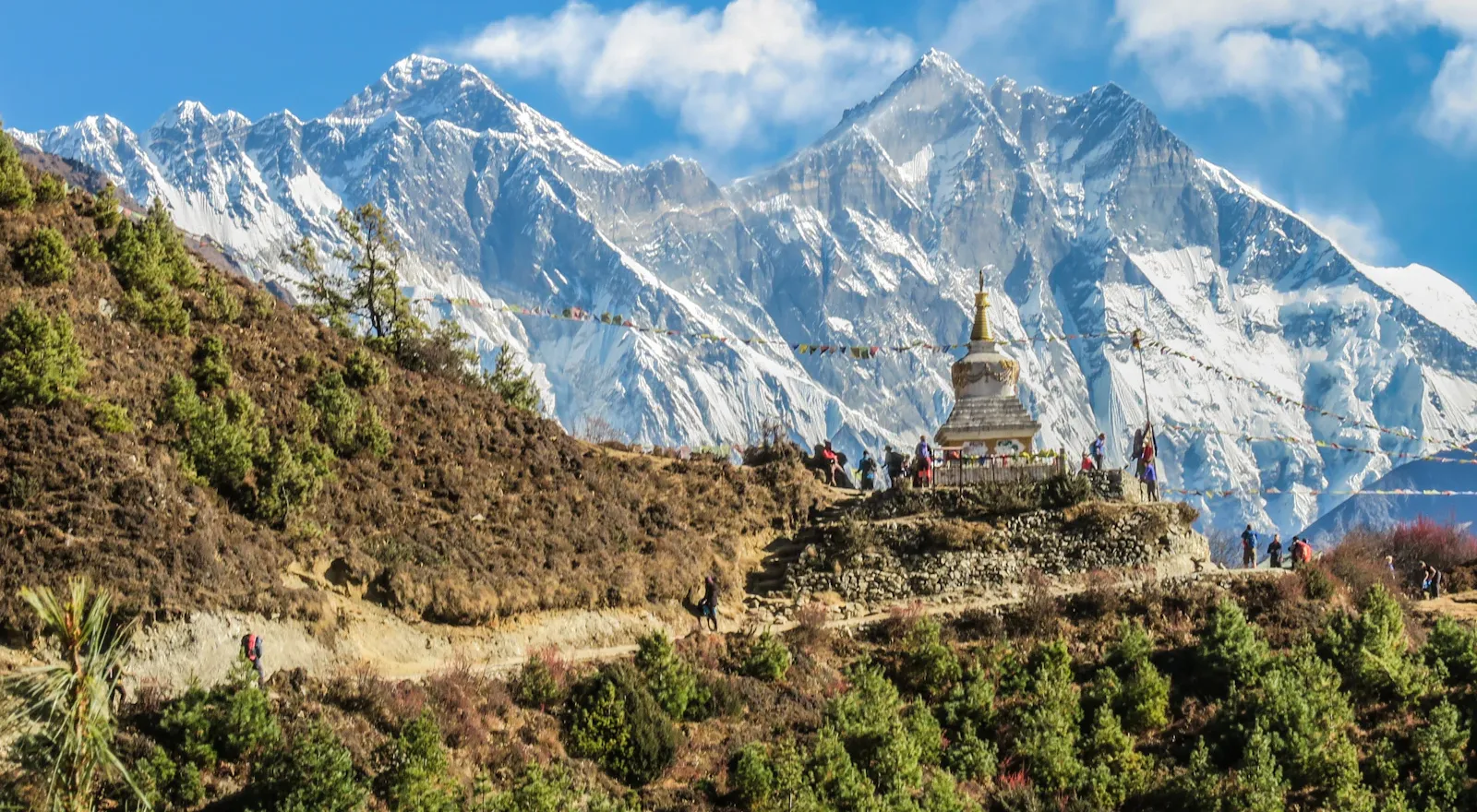
Everest Three Passes Trek with Island Peak Climbing - Experience the Everest Region Beyond the Ordinary 21 days
- Duration21 days
- Max. altitudeIsland Peak (Imja Tse) summit, 6,189 m
- GradeStrenuous
- Start / endKathmandu to Kathmandu
- Group size
- Best seasonSpring (March–May) and autumn (September–November)
- AccommodationHotel in Kathmandu, teahouses and Island Peak Base Camp
- Meals
- ActivityTrekking and peak climbing
- TransportKathmandu–Lukla flights
Overview
Picture walking past mesmerizing views of Sherpa villages, crossing high mountain passes, standing beside aqua glacial lakes and finally reaching the summit of a Himalayan peak. The Everest Three Passes Trek with Island Peak Climbing brings all these experiences together in one unforgettable adventure.
This journey is for trekkers looking for more than the usual Everest Base Camp experience, offering thrilling adventure, real challenges and beautiful moments along the way. It brings together three high passes – Renjo La, Cho La and Kongma La – with an exciting climb to Island Peak, also known as Imja Tse, at 6,189 m.
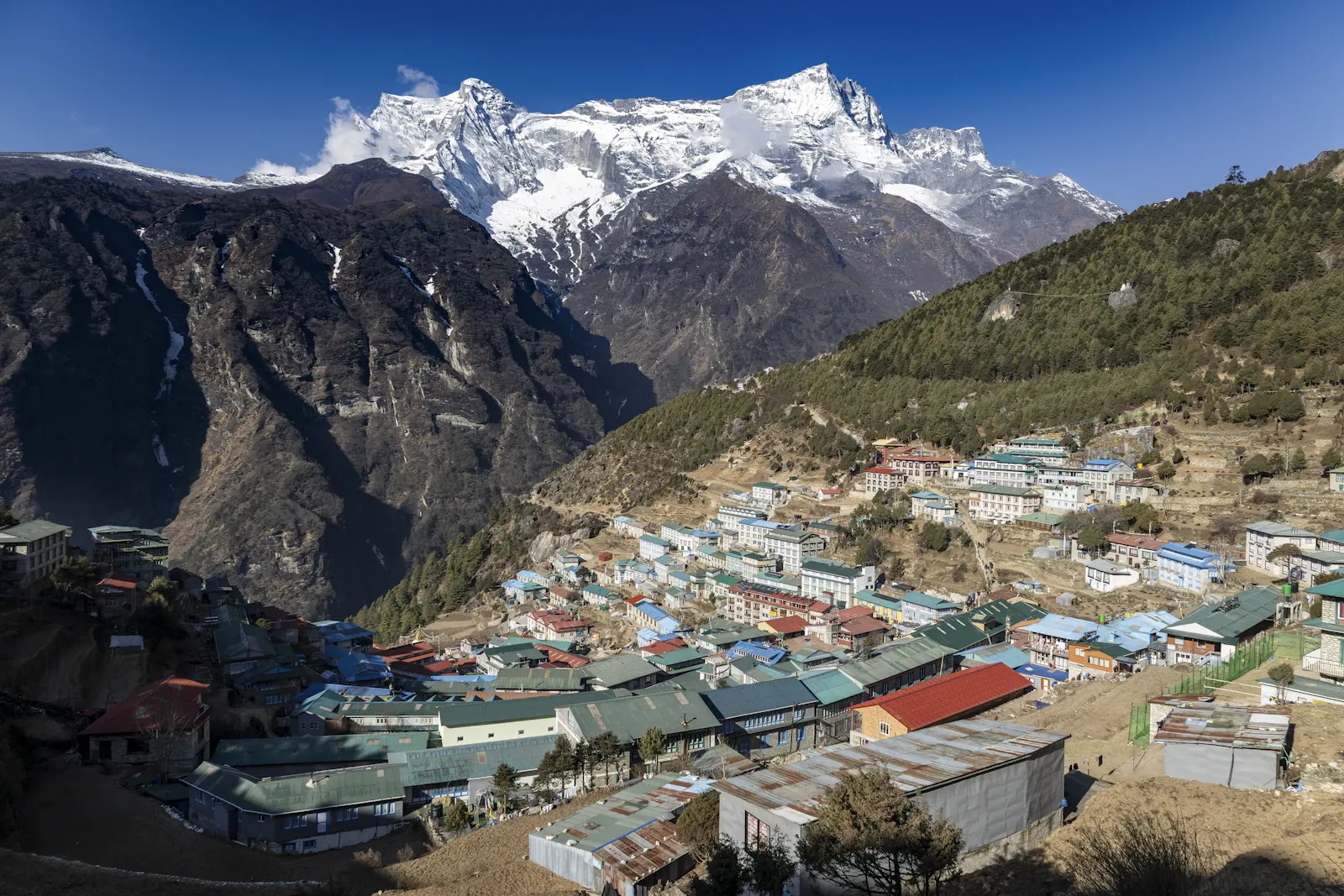
From the lively streets of the Sherpa town of Namche Bazaar to the peaceful route to the Gokyo Lakes and the dramatic views of Chhukung, every path reveals a new side of the Everest region.
What Makes This Trek Special?
The Everest Three Passes Trek with Island Peak Climbing is one of the most challenging adventures in the Khumbu region. Instead of following a simple route to Everest Base Camp and returning the same way, this route takes you through different valleys, over high mountain passes and across the wider Everest region.
The trek has three major crossings, each with a different experience:
Renjo La Pass (5,360 m): The first pass, known for its mountain beauty. Renjo La leads down to the Gokyo Lakes and offers stunning views of the Everest region. The final ascent is demanding because of the slippery trail, thin air and increasing elevation, but the top offers impressive views of Everest, Lhotse, Makalu and other surrounding peaks. Renjo La requires proper acclimatization and a comfortable walking pace, as the altitude makes the climb physically challenging.
Cho La Pass (5,420 m): The second pass takes you close to glaciers and wild nature as you cross between the Gokyo and Everest valleys. Unlike ordinary trekking trails, Cho La has steep, rough terrain, with ice- and snow-covered sections depending on the weather and season. At the top, you are rewarded with dramatic views of the surrounding mountains. Proper acclimatization and basic use of equipment are important for this crossing.
Kongma La Pass (5,535 m): The third, highest and most difficult of the three passes. Kongma La is a demanding crossing with impressive views of the surrounding Himalayan peaks.
After completing the three passes, the adventure continues to Island Peak at 6,189 m, a great experience for climbers eager to take on the challenges of Himalayan climbing.
The Journey Through the Khumbu Region
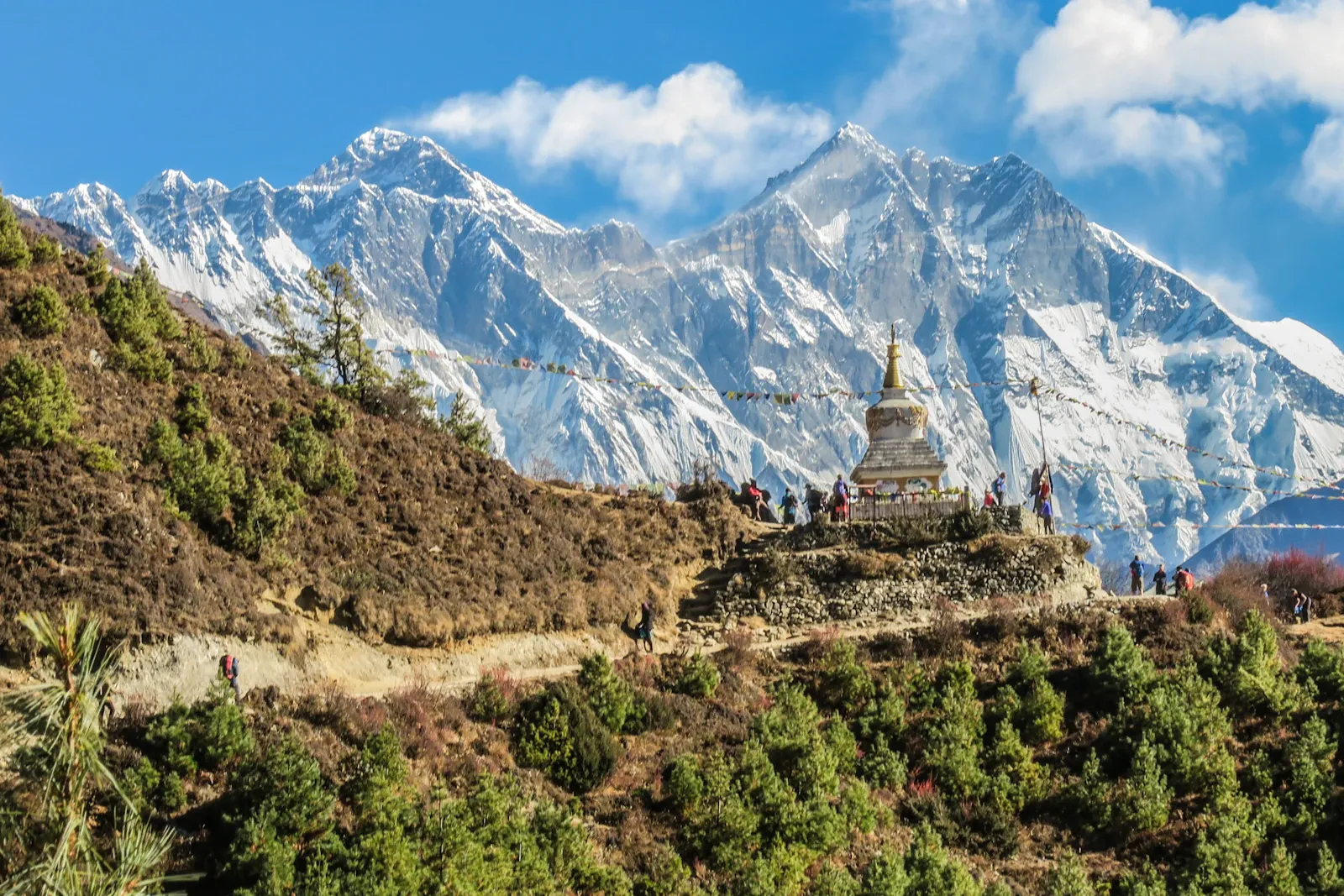
The adventure starts with a scenic flight to Lukla, from where the trek begins through Phakding and Namche Bazaar. As the journey continues, it becomes much more than a trek: you'll experience the traditional culture of the Sherpa community, monasteries and mountain villages, with stunning views of peaks such as Ama Dablam, Lhotse and Everest.
As the trail continues, you explore the high-altitude terrain of the Khumbu, cross the three passes and take in the beauty of the Gokyo region. The route also includes Everest Base Camp and Kala Patthar.
After the trekking section, the journey continues from Chhukung to Island Peak Base Camp. Before heading to the summit, climbers spend time acclimatizing and preparing for the climb. When the weather is good and everyone is ready, an experienced mountain guide leads the final push to the summit.
Who Should Choose This Adventure?
This trek suits people who are comfortable with high-altitude trekking and have a strong interest in mountains. Crossing three high passes and then climbing a 6,000-metre peak is challenging, so you need to be physically fit and well prepared.
You don't need to be a professional mountaineer, but some experience makes the journey feel much easier. Before the Island Peak climb, you'll learn basic climbing techniques and prepare for the challenges of reaching the top.
Begin Your Everest Adventure
If you want to experience the Everest region beyond the usual trekking routes, the Everest Three Passes Trek with Island Peak Climbing is a great choice. You'll cross three high mountain passes, enjoy beautiful lakes and take on the challenge of climbing a Himalayan peak. For those ready for the challenge, it's an experience you'll remember for a lifetime.
Ready to take on the challenge? Get in touch with our team and start planning your Everest adventure.
Highlights
- Cross three high Himalayan passes: Renjo La, Cho La and Kongma La
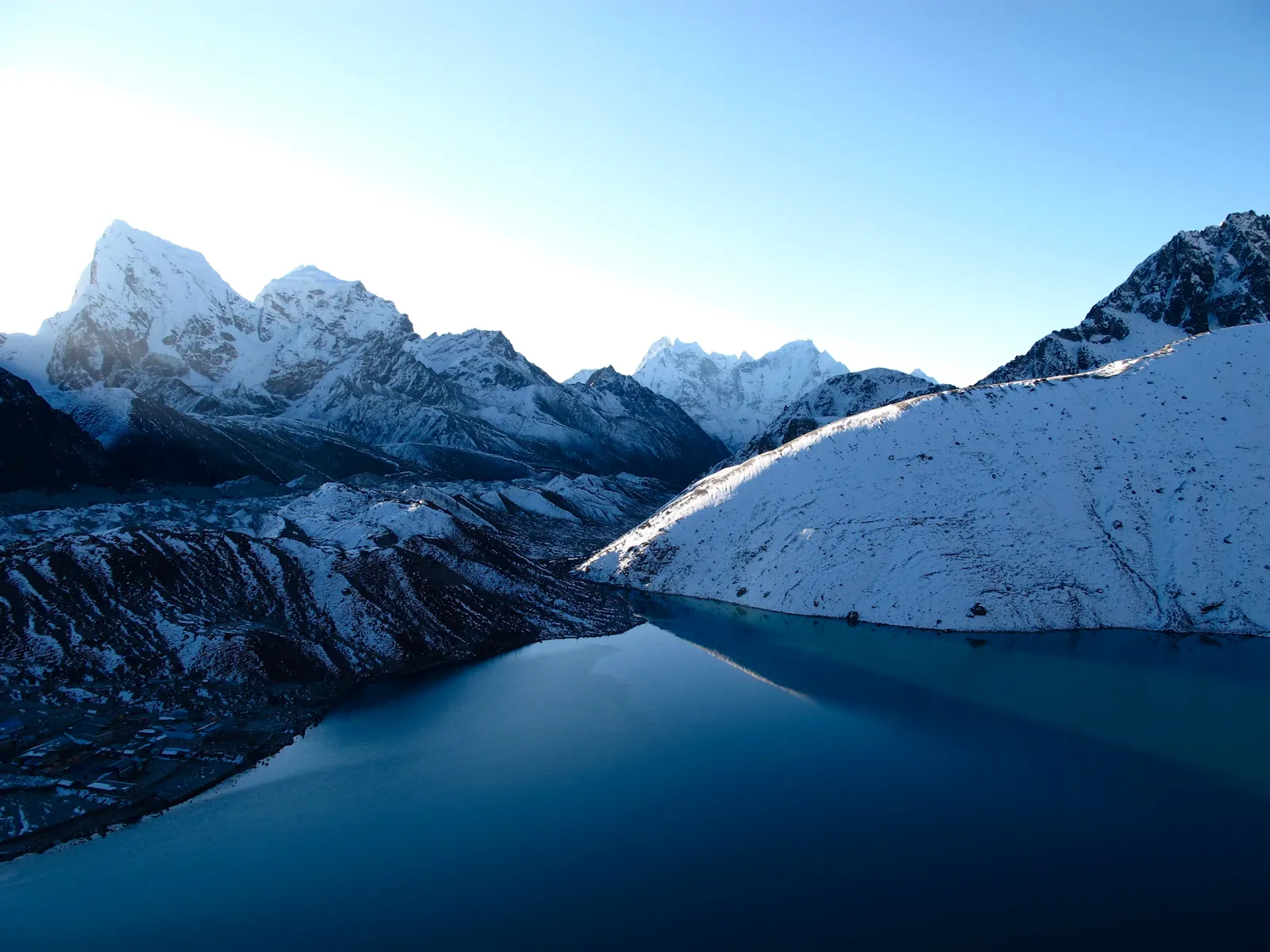
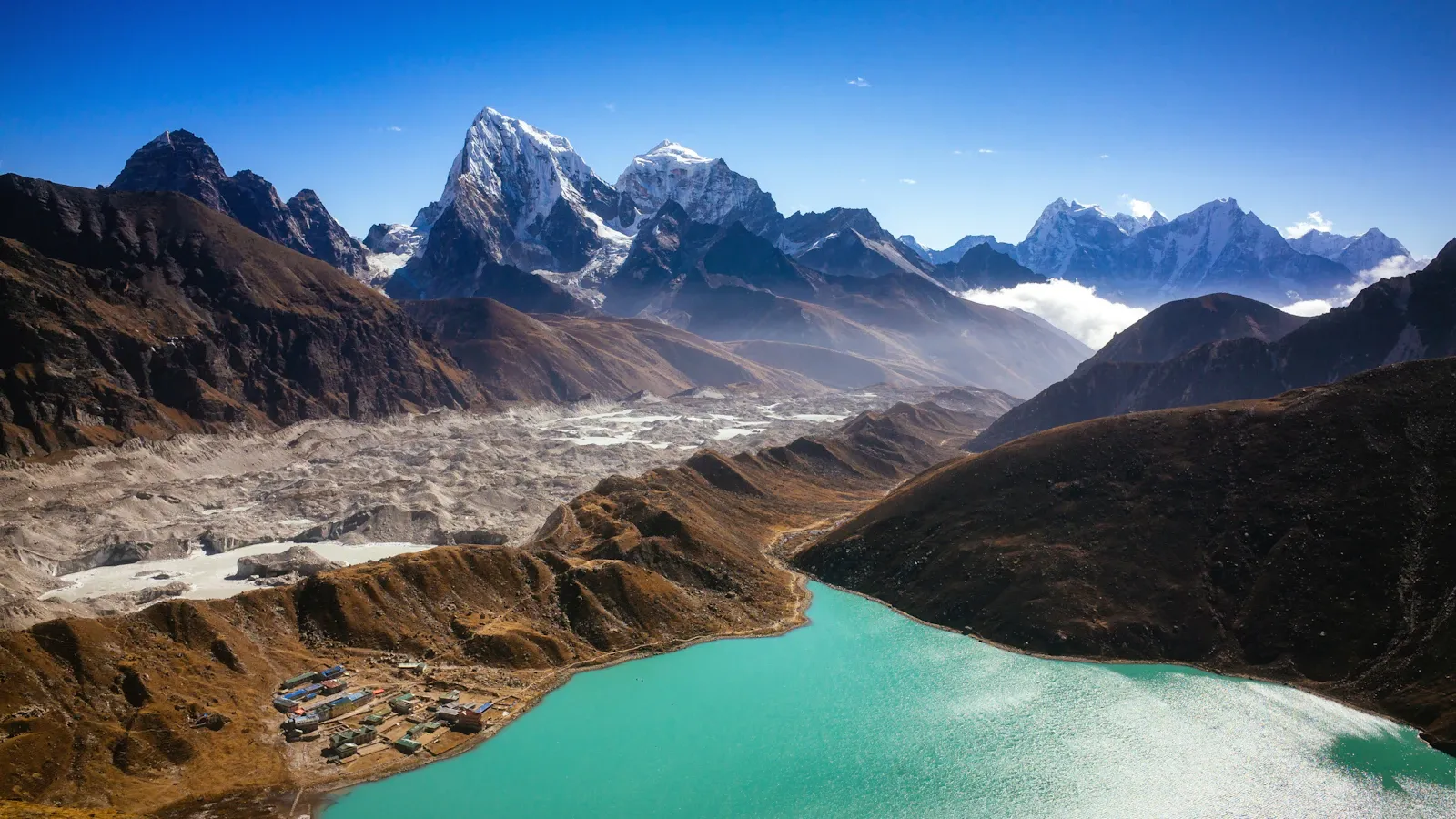
- Explore the beautiful Gokyo Valley and lakes
- Visit Everest Base Camp and Kala Patthar
- Experience Sherpa communities and Himalayan culture
- High-altitude terrain surrounded by the mountains of the Khumbu
- Reach Island Peak Base Camp
- Learn basic climbing equipment and preparation for the summit attempt
- Climb Island Peak (Imja Tse) at 6,189 m
- Scenic mountain views throughout
- Snow- and ice-covered terrain
Altitude profile
Top: Island Peak (Imja Tse) summit, 6,189 mHover or tap a day for detailsScroll sideways to see every day
Itinerary at a glance
- Day 1Arrival in Kathmandu
- Day 2Kathmandu to Lukla, then Trek to Phakding
- Day 3Phakding to Namche Bazaar
- Day 4Acclimatization in Namche Bazaar
- Day 5Namche Bazaar to Thame
- Day 6Thame to Lungden
- Day 7Lungden to Gokyo via Renjo La Pass
- Day 8Explore Gokyo and Gokyo Ri
- Day 9Gokyo to Thagnak
- Day 10Thagnak to Dzongla via Cho La Pass
- Day 11Dzongla to Lobuche
- Day 12Lobuche to Everest Base Camp, then Gorak Shep
- Day 13Gorak Shep to Kala Patthar and Back to Lobuche
- Day 14Lobuche to Chhukung via Kongma La Pass
- Day 15Chhukung to Island Peak Base Camp
- Day 16Acclimatization and Climbing Preparation
- Day 17Island Peak Summit and Return to Base Camp
- Day 18Island Peak Base Camp to Chhukung
- Day 19Chhukung to Namche Bazaar
- Day 20Namche Bazaar to Lukla
- Day 21Fly Back to Kathmandu
Day-by-day itinerary
Altitudes are the highest point reached that day. Walking times are typical and exclude breaks; your guide adjusts the pace to the group.
Altitude: Kathmandu 1,400 m
After you arrive in Kathmandu, settle in. Use the day to rest, explore a little or get ready for the adventure ahead.
Altitude: Lukla 2,840 m (+1,440 m) → Phakding 2,610 m (−230 m)
The adventure starts with a scenic flight to Lukla. After landing, you trek toward Phakding. It's an easy start, with fresh mountain air, green hills, small villages and beautiful mountain views along the way.
Altitude: Namche Bazaar 3,440 m (+830 m)
The trail follows the Dudh Koshi River toward Namche Bazaar, passing through forests, over suspension bridges and through Sherpa villages. The climb gets steeper as you near Namche, but reaching the main mountain town after the long walk feels well worth it.
Today is all about slowing down and letting your body adapt to the altitude. Explore the streets of Namche, visit nearby viewpoints or simply enjoy the mountain views with a cup of tea. If the weather is good, you'll see Everest, Ama Dablam and other surrounding peaks.
Altitude: Thame approx. 3,820 m (+380 m)
Today you leave the busy trails around Namche and head toward the quiet, beautiful Thame Valley. The further you walk, the calmer the surroundings become.
Altitude: Lungden approx. 4,380 m (+560 m)
The trail becomes tougher as you continue toward Lungden. The increasing altitude and slower pace give you time to enjoy the mountain views and prepare for the first high pass.
Altitude: Lungden 4,380 m → Renjo La 5,360 m (+980 m) → Gokyo 4,790 m (−570 m)
The real challenges begin. You trek up to Renjo La Pass at 5,360 m, where you get a superb view of the Gokyo Lakes set between the mountains. From there, you descend to Gokyo.
Altitude: Gokyo Ri 5,357 m (+567 m, −567 m on return)
After yesterday's challenging walk, today gives you time to explore the beautiful surroundings of Gokyo at a slower pace. If the weather allows, you can climb Gokyo Ri for a breathtaking view from the top.
Altitude: Gokyo 4,790 m → Thagnak approx. 4,700 m (−90 m)
Leaving the Gokyo Lakes behind, you walk to Thagnak. This short, quiet day gives you time to rest before the next challenge: Cho La Pass.
Altitude: Cho La 5,420 m (+720 m) → Dzongla 4,830 m (−590 m)
The climb to Cho La Pass is difficult but worth it, over rocky and icy terrain, and the landscape changes as you climb higher. After reaching the 5,420 m pass, you'll have time to enjoy the mountain views before walking down to Dzongla.
Altitude: Lobuche 4,940 m (+110 m)
Today's walk toward Lobuche feels different from the previous days. You walk toward the mountains through the changing landscape of the upper Khumbu, where the altitude becomes noticeable, so walking slowly and resting enough are really important.
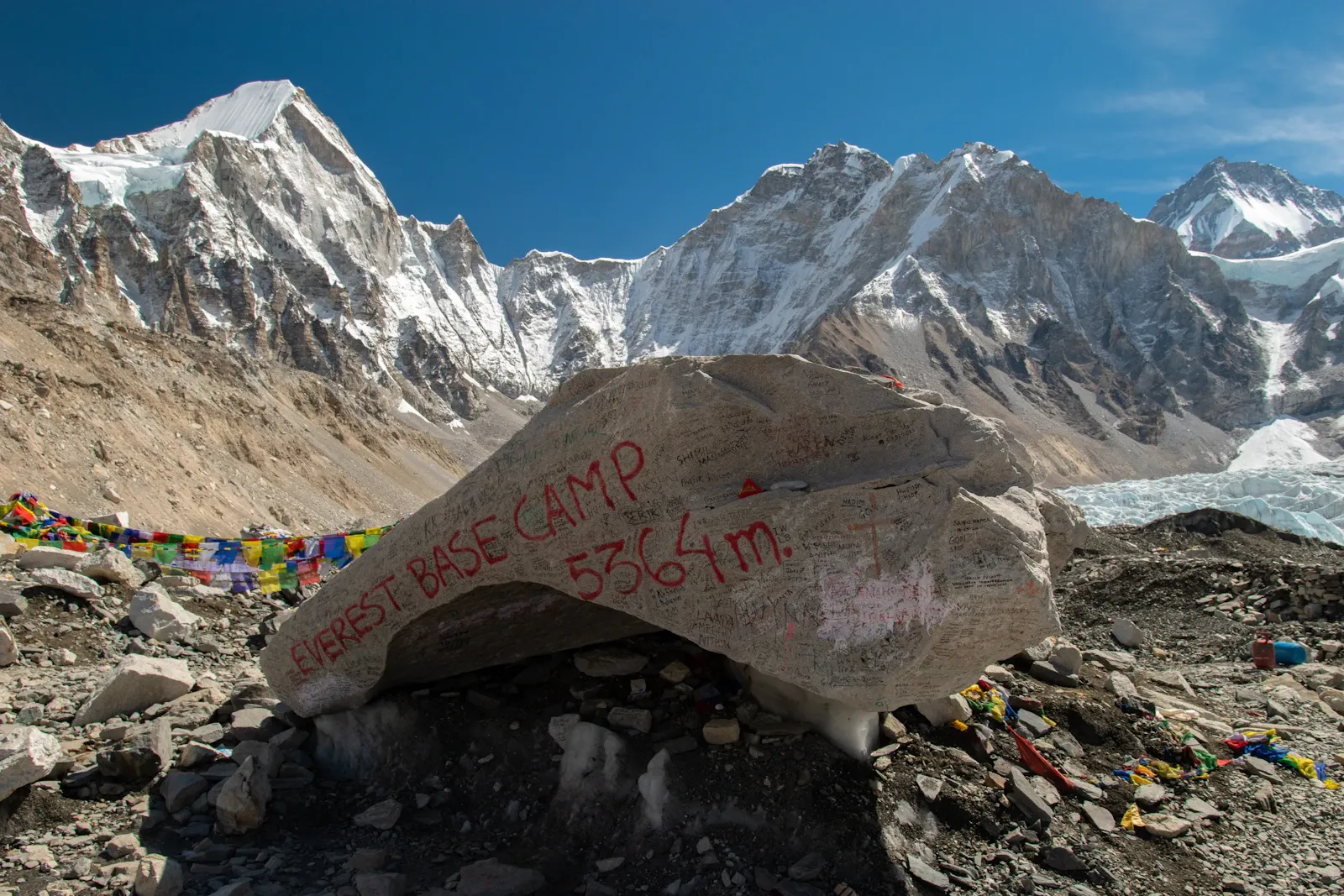
Altitude: Everest Base Camp 5,364 m (+424 m) → Gorak Shep approx. 5,164 m (−200 m)
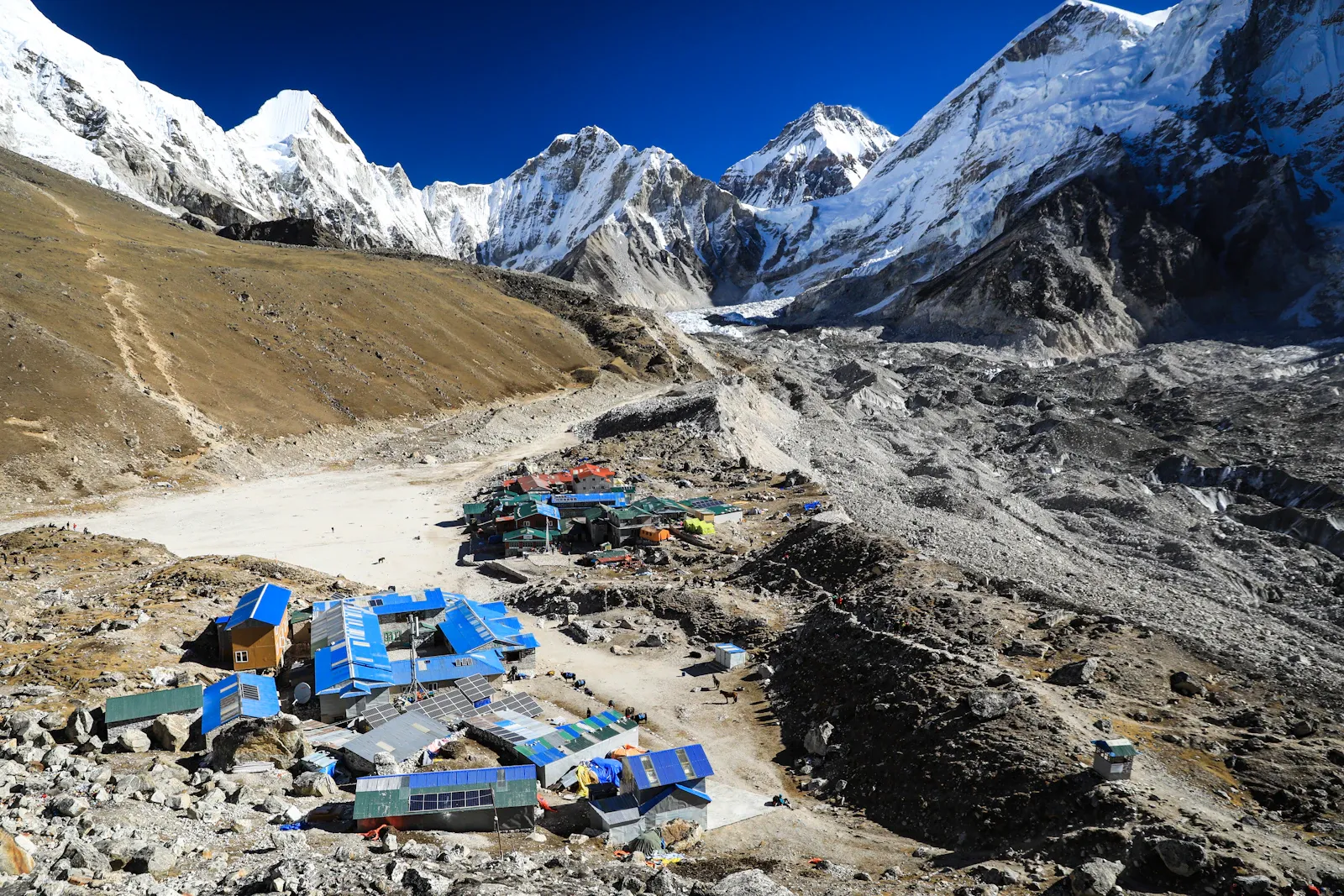
Today is one of the most unforgettable days of the trek. From Lobuche, you head to Everest Base Camp, walking along the Khumbu Glacier through stunning mountain scenery. After spending some time at Base Camp, you return to Gorak Shep for the night.
Altitude: Gorak Shep 5,164 m → Kala Patthar 5,545 m → Lobuche 4,910 m
Early in the morning, climb from Gorak Shep to Kala Patthar for the best mountain views of the trek. It's a tough climb, but the views make every step worth it. Afterwards, you return to Gorak Shep and continue down to Lobuche for the night.
Altitude: Lobuche 4,910 m → Kongma La 5,535 m (approx. +625 m) → Chhukung 4,730 m (approx. −805 m)
The most challenging part of the trek is crossing Kongma La Pass at 5,535 m, the highest of the three passes. The climb is demanding as you gain altitude, but at the top you are rewarded with breathtaking views of Everest, Lhotse, Nuptse, Makalu and other Himalayan peaks. From Kongma La, you descend to Chhukung to rest and prepare for the climb ahead.
Altitude: Chhukung 4,730 m → Island Peak Base Camp 5,100 m (+370 m)
You leave Chhukung and continue toward Island Peak Base Camp. The closer you get to the mountain, the more rugged the surroundings become, and you'll start to feel the effects of the long trek.
Before the summit attempt, you stay hydrated, rest properly, review the route, check your climbing gear and learn basic techniques from your mountain guide, including the safety procedures for the summit attempt.
Altitude: Base Camp 5,100 m → Island Peak summit 6,189 m (approx. +1,089 m / −1,089 m)
The big day. You start early and head for the summit of Island Peak at 6,189 m. The climb is not easy, but reaching the top and seeing the mountains you've been working toward right in front of you is an unreal experience. After taking in the view, you return to Base Camp.
Altitude: Island Peak Base Camp 5,100 m → Chhukung 4,730 m (−370 m)
After the thrilling summit climb, you return to Chhukung to rest. It's a good time to reflect on everything you've experienced so far.
Altitude: Namche Bazaar 3,440 m (−1,290 m)
The trek now takes you back to the lower Khumbu. You walk down from Chhukung through the mountains and villages to the streets of Namche Bazaar. After the high mountains, reaching Namche feels like a relief.
Today is the last day of trekking. You descend through the Khumbu on familiar trails and through villages you'll recognize. Enjoy the last mountain views before reaching Lukla, where you can relax and celebrate completing the Three Passes and Island Peak journey.
After breakfast, you take the last step of the journey: the flight from Lukla back to Kathmandu, bringing home memories of the peaks and the peace of the mountains.
Customize this trip
Every itinerary on this page can be changed. Tell us what you would like and a trip planner will send back a tailored day-by-day plan and price, usually within a few hours.
- Add rest or acclimatisation days
- Upgrade hotels and lodges
- Combine it with another trek, tour or safari
- Travel privately on your own dates
Dates & prices
Departure dates and prices are confirmed on request.
Can't see your date?
Pick any start date in the booking box or send us your plans and we'll confirm availability within a few hours.
Useful trip information
Spring (March–May) and autumn (September–November) are considered the best seasons for trekking in the Everest region. During these months the weather is generally favourable, with clear skies and good mountain views.
However, weather at high altitude is unpredictable and can change quickly, so the whole schedule depends on weather and mountain conditions.
- Acclimatization days allow your body to adapt to the increasing altitude.
- A slow, comfortable pace helps reduce unnecessary tiredness.
- Hydration: drink enough water throughout the climb, as dehydration can make AMS worse.
- Know the symptoms of Acute Mountain Sickness: headache, nausea, fatigue, loss of appetite, unusual tiredness and difficulty sleeping.
Travel insurance that covers high-altitude trekking and climbing is important, including emergency and helicopter evacuation costs when needed.
The Everest Three Passes Trek with Island Peak Climbing is for physically fit trekkers with a strong interest in high-altitude trekking and climbing. The itinerary includes three high passes above 5,000 m and a summit attempt at 6,189 m, so long walking days, steep ascents and descents, thin air and changing mountain conditions make the journey challenging.
Previous high-altitude trekking experience helps, and you'll learn basic climbing skills during the preparation and training before the summit attempt.
Traveller reviews
Read more on TripadvisorPaced perfectly for the altitude
Our guide checked our oxygen levels every evening and never once rushed us. Standing at base camp after nine days of walking was emotional, and the team made it feel effortless to organise.
Thorong La at sunrise
We left High Camp at 4 am and topped out on the pass as the sun hit the snow. The teahouses were well chosen, food was hot, and our porter Binod became a friend.
Small group, big views
Mardi Himal was the perfect short trek for us. Rhododendrons in full bloom, Machhapuchhre right in front of us at high camp, and a guide who knew every village we passed.
Langtang exceeded every expectation
Close to Kathmandu but it feels remote. Kyanjin Gompa and the climb to Tserko Ri were highlights. Communication before the trip was quick and honest about what to expect.
You might also like
More trips in the Everest Region and similar adventures.
Everest Region
Cho La Pass with Lobuche Peak-Cross High Mountains
Everest Region
Cholatse Peak Climbing
Annapurna Region
Singu Chuli Peak Climbing
Annapurna Region
Chulu West Peak Climbing
Ready for the Everest Three Passes Trek with Island Peak Climbing - Experience the Everest Region Beyond the Ordinary?
Send us your preferred dates. We'll confirm availability, flights and lodges, and answer any question before you pay a deposit.